KARACHI — Jamaat-e-Islami (JI) Emir Hafiz Naeem-ur-Rehman has launched a sharp critique of the Sindh government, characterizing the province’s ongoing economic and infrastructure collapse as a direct byproduct of systemic corruption.
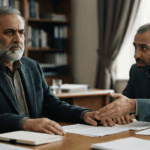
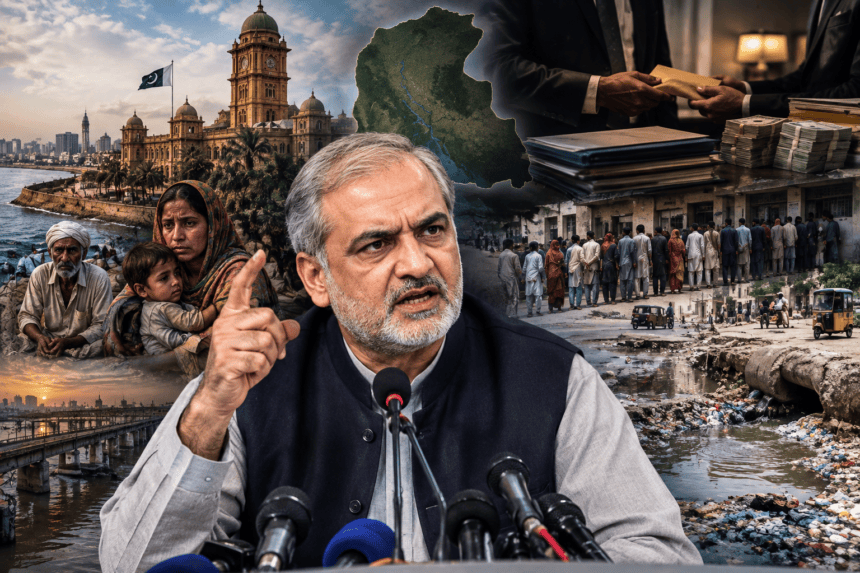
Speaking at a workers’ convention in Karachi, Naeem-ur-Rehman argued that the provincial administration has prioritized personal gain over public welfare. He pointed to the dilapidated state of Karachi’s roads, the persistent water crisis, and the degradation of municipal services as evidence that taxpayer money is being diverted into private pockets rather than public projects.
“The people of Sindh are not suffering because of a lack of resources,” Naeem said. “They are suffering because the ruling elite has turned governance into a business model.”
His comments arrive as public frustration mounts over rising utility costs and the lack of basic amenities. For the average Karachiite, the “so what” is immediate: daily life has become a struggle against failing infrastructure and an unresponsive bureaucracy. Naeem’s rhetoric aims to tap into this growing resentment, positioning the JI as the only political entity willing to challenge the status quo.
The JI leader dismissed the provincial government’s recent development claims as “paper projects,” noting that while budgets are allocated annually, the physical reality on the ground remains unchanged. He challenged the government to produce an audit of the last five years of municipal spending, asserting that a transparent investigation would reveal billions in missing or misappropriated funds.
Critics often point out that JI has struggled to translate its protests into electoral dominance in Karachi. Yet, by focusing on corruption, Naeem is betting that voters are less interested in political maneuvering and more concerned with the practical decay of their neighborhoods.
The provincial government has yet to issue a formal rebuttal to these specific allegations. For now, the divide between the administration’s narrative of progress and the reality of the streets continues to widen — leaving residents caught in the middle of a deepening political standoff.