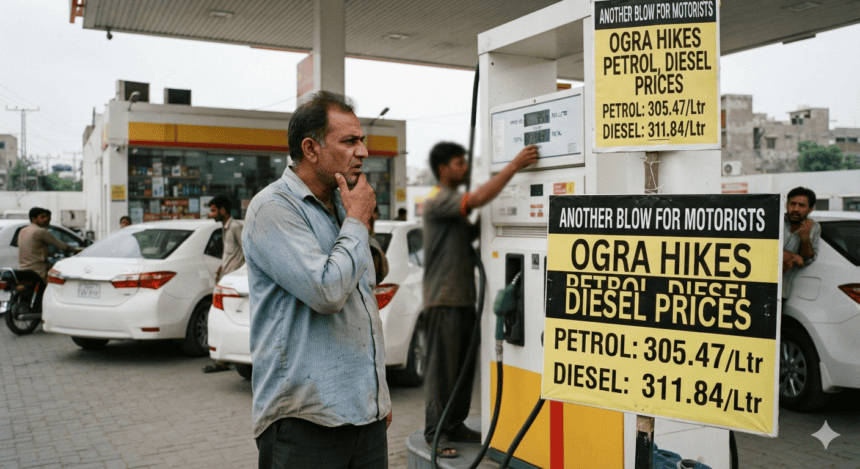
Motorists face renewed financial strain this morning as the Oil and Gas Regulatory Authority (OGRA) announced a fresh round of fuel price hikes. The adjustment, effective immediately, marks the second consecutive increase this month, pushing petrol and high-speed diesel prices to levels that are already stretching household budgets to the breaking point.
Petrol now sits at Rs 282 per litre, while high-speed diesel—the primary fuel for the country’s transport and logistics sector—has climbed to Rs 293. The government says the move aligns with global market fluctuations and the latest exchange rate adjustments, a justification that provides little comfort to commuters already grappling with double-digit inflation.
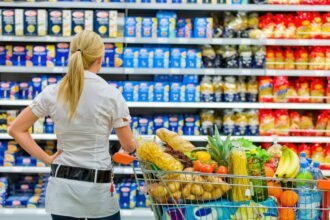
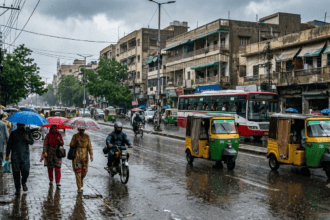
The impact is immediate. Public transport fares are expected to rise within 48 hours as operators move to offset their increased overheads. For the average commuter, this isn’t just a tax on travel; it’s a direct hit on the cost of essential goods. Freight costs are tied directly to diesel prices, meaning the price of vegetables, flour, and other staples in city markets will likely follow this upward trend by the weekend.
Independent economists argue that the government’s reliance on fuel levies to bridge fiscal gaps is hitting the wrong targets. “Every time the pump price goes up, the middle class loses more purchasing power,” says economist Dr. Arshad Malik. “It’s a circular trap: the government raises prices to cover revenue shortfalls, which in turn slows down economic activity, leading to further revenue drops.”
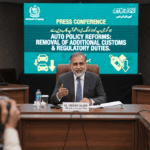
The Ministry of Finance maintains that it has little room to maneuver. Officials point to the volatility in international crude markets and the need to meet IMF-mandated fiscal targets as the primary drivers. They claim that absorbing the full cost of the hike would have been impossible without jeopardizing the national budget deficit.
For the person behind the wheel, the explanation remains secondary to the reality of the pump. With no clear timeline for when global prices might stabilize or when the government might offer relief, the message to the public is stark: expect to pay more, and expect the ripple effect to reach the grocery store shelves by Monday.