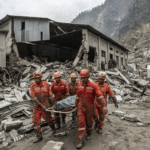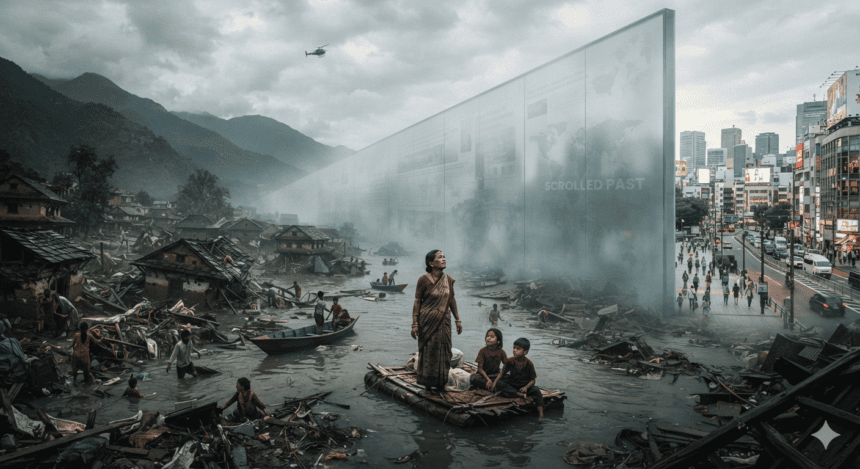
The death toll from Nepal’s recent catastrophic flooding and landslides has climbed past 240, with dozens still missing. Despite the scale of the destruction—which wiped out major highway segments and left thousands stranded without power—the government’s rescue and relief operations have been sluggish, drawing sharp criticism from survivors and aid experts alike.
Search and rescue efforts were hampered in the critical first 48 hours by a lack of coordination between federal and provincial authorities. While the Kathmandu Valley faced unprecedented inundation, the government’s failure to deploy military assets early meant that many remote communities were left to dig through mud and debris with their bare hands.
The “so what” is clear: Nepal’s disaster management infrastructure is currently paralyzed by political infighting. The ruling coalition, led by Prime Minister KP Sharma Oli, has been preoccupied with internal power struggles, leaving the National Disaster Risk Reduction and Management Authority (NDRRMA) underfunded and under-resourced.
“We saw the warnings, but we didn’t see the preparation,” said a local disaster analyst based in Kathmandu. “The system exists on paper, but when the water rose, the machinery was nowhere to be found.”
Survivors in the worst-hit areas—including Kavrepalanchok and Sindhuli—report that food, clean water, and medical supplies took days to arrive. Even then, assistance remained limited to major road access points, leaving mountain villages completely isolated. The government’s decision to focus resources on clearing the Kathmandu-Terai Fast Track—a key infrastructure project—at the expense of secondary supply routes has further fueled public anger.
Critics point to the lack of clear communication as a primary failure. While the meteorological department issued warnings, the mechanism to translate those alerts into local evacuation orders simply didn’t trigger. By the time the government held its emergency cabinet meetings, the damage was already done.
International aid agencies are now pivoting to fill the gap, but they face a logistical nightmare. Bridges are down, roads are fractured, and the monsoon rains, though tapering off, have left the landscape dangerously unstable.
For the people of Nepal, the disaster isn’t just the rain. It’s the realization that when the next climate-induced emergency hits—and it will—the state remains as fractured as the roads they are now trying to repair.