Tensions between Iran and the United States continue to raise concerns across the Middle East. As US President Donald Trump threatens possible further military action against Iran, Tehran is increasing its diplomatic efforts to prevent another escalation.
Iran is reaching out to powerful countries, including Russia, and regional partners such as the United Arab Emirates (UAE), Qatar, Saudi Arabia and Turkey. These diplomatic efforts could play an important role in determining the future of the conflict.
Iran Seeks Russia’s Support
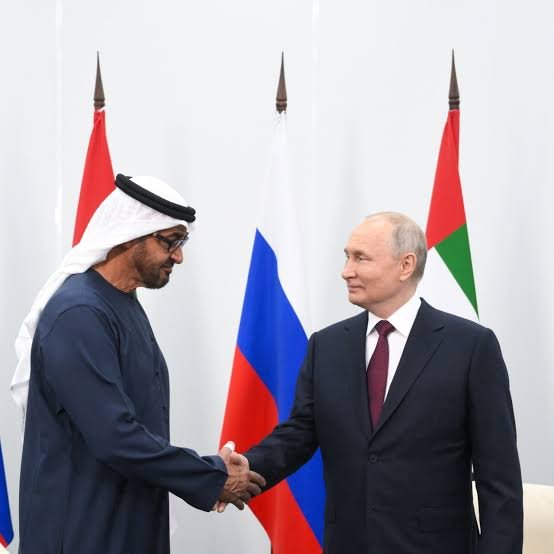
One of Iran’s major diplomatic moves was a meeting between Russian President Vladimir Putin and Iranian senior security official Mohsen Rezaei in Moscow on November 5, 2026.
Rezaei reportedly delivered a message from Iran’s Supreme Leader to Putin. Their discussions focused on regional security, ending the conflict, future arrangements and cooperation between the two countries.
Russia has expressed concern about further military escalation and indicated its willingness to support diplomatic efforts to end the conflict.
Iran Reaches Out to the UAE and Other Gulf Countries
Iranian Foreign Minister Abbas Araghchi has also increased contact with regional leaders.
He held telephone discussions with representatives from several countries, including:
-
United Arab Emirates (UAE)
-
Saudi Arabia
-
Qatar
-
Oman
-
Turkey
-
Pakistan
The discussions focused on regional security, reducing tensions and finding a diplomatic solution to the ongoing crisis.
Trump’s Threats Increase Regional Concerns
President Donald Trump has not ruled out further military action against Iran. His administration is considering its next steps following the continuing conflict.
Washington wants to address Iran’s nuclear programme and regional security concerns. However, Tehran insists that the United States must meet its conditions before meaningful negotiations can move forward.
This disagreement has made diplomatic progress difficult.
The Strait of Hormuz Remains a Major Issue
One of the biggest concerns is the Strait of Hormuz, a strategically important waterway through which a significant share of the world’s oil and gas supplies passes.
The conflict has disrupted shipping and increased concerns about global energy supplies.
Iran has linked the reopening of the waterway to its demands, while the United States wants the situation resolved through negotiations and security guarantees.
Can Diplomacy Prevent Another War?
Russia, Qatar, China and several Gulf countries are trying to encourage dialogue between Washington and Tehran.
However, major disagreements remain, particularly over sanctions, Iran’s nuclear programme, the Strait of Hormuz and the future security arrangements in the region.
The coming days could be crucial in determining whether diplomatic efforts succeed or tensions rise again.
Conclusion
Iran’s growing diplomatic engagement with Russia, the UAE and other regional countries shows that Tehran is looking for political and diplomatic support amid increasing pressure from Washington.
Although the possibility of further military action remains a concern, diplomatic negotiations may still offer a path towards reducing tensions.
The world is watching closely because any further escalation could affect not only the Middle East but also international trade, oil prices and global security.