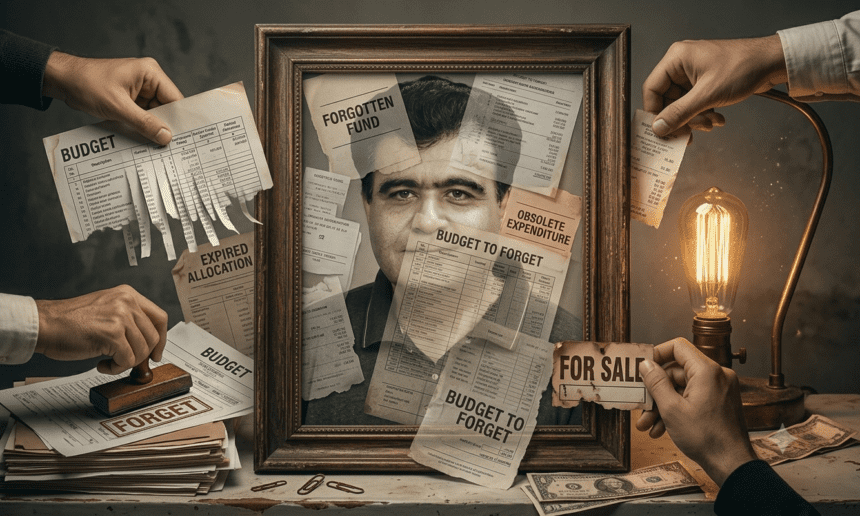
Islamabad: Pakistan’s federal budget for FY2026-27 is facing criticism from economists, opposition parties, and business groups, with some observers describing it as “a budget to forget” due to concerns over limited relief for the public and a lack of transformative economic measures.
Critics argue that the budget places a heavy emphasis on revenue generation and fiscal consolidation while offering insufficient support to middle-income households and small businesses struggling with rising living costs. Concerns have also been raised about new taxes, compliance requirements, and the potential impact on economic activity.
Several analysts believe the budget falls short of addressing structural challenges such as low productivity, unemployment, and investment constraints. They contend that while the government has focused on meeting fiscal targets, broader reforms needed to accelerate growth and improve competitiveness remain limited.
Business leaders have also expressed reservations about certain tax measures, warning that increased compliance burdens could affect investment and industrial expansion. At the same time, some sectors welcomed efforts aimed at maintaining macroeconomic stability and improving revenue collection.
Government officials, however, have defended the budget, arguing that difficult economic conditions require prudent fiscal management. They maintain that the measures are necessary to strengthen public finances, support long-term stability, and lay the foundation for sustainable growth.
Economic experts note that the true impact of the budget will depend on its implementation and the government’s ability to balance fiscal discipline with growth-oriented reforms in the months ahead.