Karachi’s political temperature spiked Tuesday as former federal minister Shehryar Afridi declared he would reach the city regardless of the Sindh government’s efforts to stop him. Afridi, a key figure in the Pakistan Tehreek-e-Insaf (PTI), remains defiant after being denied entry into the provincial capital on multiple occasions.
The standoff centers on the provincial administration’s attempts to restrict PTI leadership access to Karachi ahead of key local political maneuvering. Government officials in Sindh claim these measures are necessary to maintain public order. Afridi calls it something else: a desperate attempt to stifle opposition.
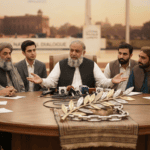
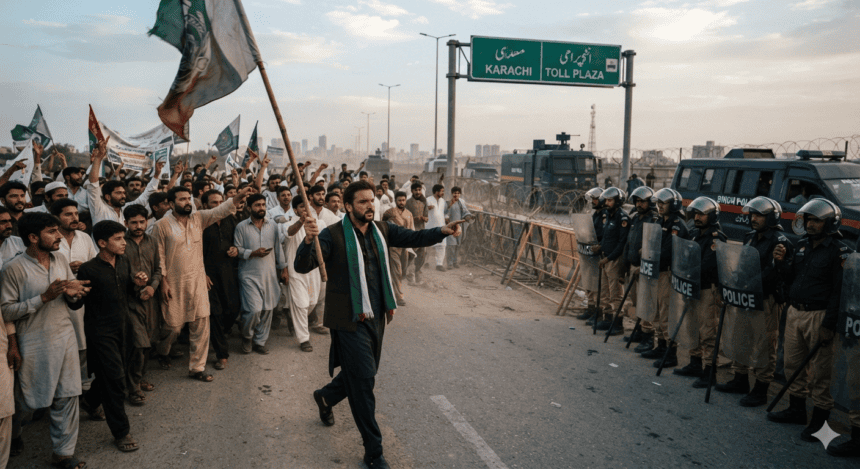
“They can block the roads and they can deploy their entire force, but they can’t block the truth,” Afridi told reporters late Tuesday. He didn’t specify his route, but he made his intent clear. He isn’t planning on staying away.
The Sindh government’s crackdown has drawn sharp criticism from legal experts and human rights activists, many of whom argue that restricting the movement of political leaders sets a dangerous precedent. The provincial authorities, however, remain firm. They point to Section 144—a law often used to prohibit public gatherings—as the legal backbone for their actions.
This isn’t just about one man entering a city. It’s a broader clash over political space in a province where the power balance is increasingly fragile. For the PTI, reaching Karachi is a test of organizational strength. For the ruling party in Sindh, preventing that arrival is a test of control.
Police presence near the city’s entry points has been ramped up since dawn. Barriers remain in place.
Afridi’s next move will likely force a confrontation at these checkpoints. Whether the provincial government chooses to arrest him or allow him passage remains the defining question of the next 24 hours. The political cost of either decision is steep, and both sides appear ready to pay it.