The Azad Jammu and Kashmir (AJK) government has launched formal legal proceedings against leaders of the Joint Awami Action Committee (JAAC), accusing them of sedition and inciting public disorder. This move follows months of volatile protests across the region over soaring electricity prices and flour subsidies.
Police officials confirmed late Tuesday that cases have been registered under anti-terrorism and sedition laws. The charges stem from speeches delivered during recent sit-ins, which authorities now claim crossed the line from peaceful advocacy into state-subversion.
For the JAAC, the timing is no coincidence. The committee, which paralyzed the region with a shutter-down strike and weeks of protests in May, recently signaled plans to reorganize after a period of relative quiet. By invoking sedition charges, the administration is effectively sidelining the movement’s core organizers before they can regain momentum.
“The state is using the colonial-era playbook to silence legitimate grievances,” said one senior committee member, who spoke on condition of anonymity due to the ongoing arrests. “They aren’t addressing the cost of living; they’re just trying to criminalize the people who asked for relief.”
The government maintains a different stance. Officials argue that the protests were not merely about economic relief but were orchestrated by “anti-state elements” aiming to destabilize the region’s administration. The Chief Secretary’s office noted that while peaceful protest is a constitutional right, inciting violence and blocking key supply routes constitutes a direct threat to public order.
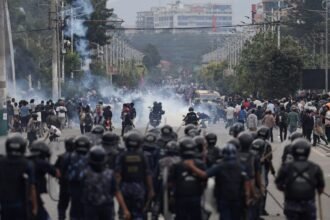
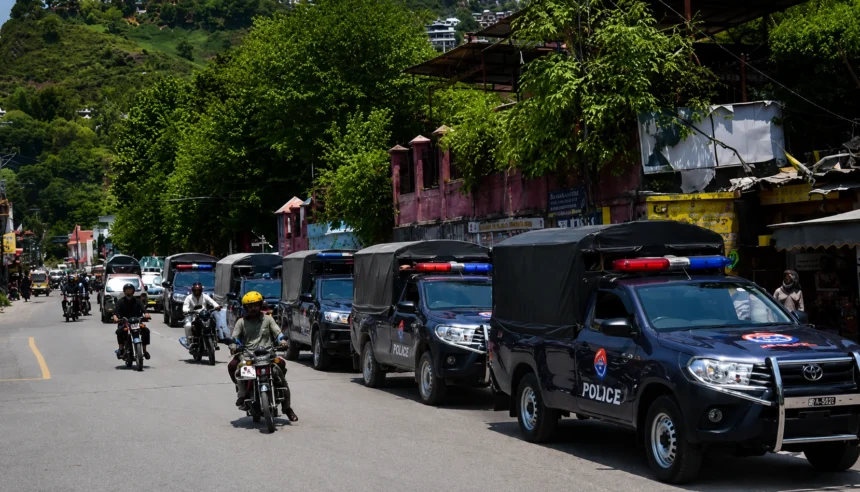
The crackdown has triggered immediate backlash. In Muzaffarabad, small groups of activists took to the streets shortly after the news broke, leading to a heavy deployment of police. Meanwhile, the legal community is already preparing to challenge the charges, arguing that the government is misusing the law to suppress political dissent.
This legal escalation marks a definitive end to the fragile ceasefire established between the JAAC and the government earlier this summer. With key leaders now facing potential life imprisonment or death sentences under the sedition statutes, the prospect of a negotiated settlement has effectively evaporated.
The region now braces for a new wave of unrest. The government’s gamble is that legal pressure will dismantle the movement; the reality may be that it simply forces the agitation into the shadows, where it becomes far harder to manage.