Introduction
Body aches are a common complaint that many people experience from time to time. They can occur after physical activity, during a viral illness, or as a result of stress and fatigue. However, when body aches are accompanied by persistent abdominal pain, nausea, fever, or digestive problems, many people begin to wonder whether a more serious condition—such as gallstones—could be responsible.
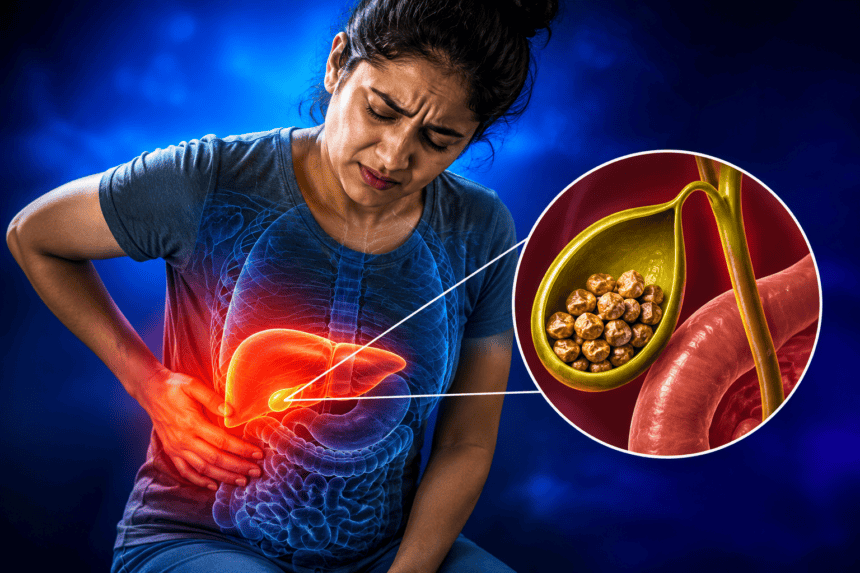
Gallstones are hardened deposits of digestive fluid that form inside the gallbladder, a small organ located beneath the liver. While many people with gallstones never experience symptoms, others may develop severe pain and complications that require medical treatment. Because gallstone pain can sometimes radiate to the back, shoulders, or chest, it may feel like generalized body aches, leading to confusion about the real cause.
So, can body aches be a sign of gallstones? The answer is sometimes—but not usually on their own. Understanding the symptoms of gallstones, how they differ from ordinary muscle pain, and when to seek medical care can help you recognize the condition early and avoid serious complications.
What Are Gallstones?
Gallstones are solid, stone-like deposits that develop inside the gallbladder. The gallbladder stores bile, a digestive fluid produced by the liver that helps break down fats.
Gallstones can range in size from as small as a grain of sand to as large as a golf ball. Some people have only one gallstone, while others may develop several.
There are two main types:
1. Cholesterol Gallstones
These are the most common type and are usually yellowish in color. They form when bile contains too much cholesterol.
2. Pigment Gallstones
These are smaller, darker stones made from excess bilirubin, a substance produced when red blood cells break down.
What Causes Gallstones?
Gallstones develop when the chemical balance of bile changes.
Several factors increase the risk, including:
- Being overweight or obese
- Eating a high-fat, high-cholesterol diet
- Rapid weight loss
- Diabetes
- Pregnancy
- Family history of gallstones
- Increasing age
- Liver disease
- Certain medications
Although gallstones are more common in women and older adults, they can affect people of any age.
Can Gallstones Cause Body Aches?
Body aches alone are not a typical symptom of gallstones. However, if gallstones cause inflammation or infection of the gallbladder (known as cholecystitis), you may experience symptoms that include:
- General body aches
- Fever
- Chills
- Fatigue
- Weakness
These symptoms occur because the body is responding to inflammation or infection, rather than because the gallstones themselves directly cause muscle pain.
Common Symptoms of Gallstones
Many people with gallstones have no symptoms at all. These are called silent gallstones.
When symptoms do occur, they may include:
Severe Pain in the Upper Right Abdomen
This is the hallmark symptom of gallstones. The pain often begins suddenly and may last from several minutes to several hours.
Pain After Eating Fatty Foods
Gallbladder attacks frequently occur after consuming greasy or high-fat meals because the gallbladder contracts to release bile.
Pain That Spreads
Gallstone pain may radiate to:
- The right shoulder
- The upper back
- Between the shoulder blades
- Occasionally the chest
This referred pain may sometimes feel like widespread body discomfort.
Nausea and Vomiting
Digestive symptoms are common during a gallbladder attack.
Indigestion and Bloating
Some people notice:
- Gas
- Bloating
- Burping
- Feeling overly full after meals
When Body Aches Could Be Related to Gallstones
Body aches may accompany gallstones if complications develop.
Acute Cholecystitis
When a gallstone blocks the bile duct, the gallbladder can become inflamed.
Symptoms include:
- Severe abdominal pain
- Fever
- Chills
- Body aches
- Tenderness over the gallbladder
- Nausea and vomiting
This condition requires prompt medical attention.
Infection
An untreated blockage can lead to bacterial infection.
Symptoms may include:
- Fever
- Muscle aches
- Fatigue
- Sweating
- Weakness
Medical treatment is essential to prevent serious complications.
Symptoms That Require Emergency Care
Seek immediate medical attention if you experience:
- Severe abdominal pain lasting more than a few hours
- High fever
- Chills
- Yellowing of the skin or eyes (jaundice)
- Persistent vomiting
- Dark urine
- Pale-colored stools
- Difficulty breathing
- Confusion or dizziness
These symptoms may indicate a serious blockage or infection.
Conditions That Can Mimic Gallstones
Not all body aches and abdominal pain are caused by gallstones.
Other possible causes include:
- Influenza (flu)
- COVID-19
- Food poisoning
- Kidney stones
- Pancreatitis
- Liver disease
- Peptic ulcers
- Muscle strain
- Acid reflux
A healthcare provider can determine the exact cause through examination and testing.
How Are Gallstones Diagnosed?
Doctors may recommend several tests.
Physical Examination
The doctor checks for tenderness in the upper right abdomen.
Ultrasound
An abdominal ultrasound is the most common and accurate test for detecting gallstones.
Blood Tests
Blood tests help identify:
- Infection
- Liver problems
- Pancreatitis
- Bile duct obstruction
CT Scan or MRI
These imaging tests may be used if complications are suspected.
Treatment Options
Treatment depends on whether gallstones are causing symptoms.
Silent Gallstones
If gallstones cause no symptoms, treatment may not be necessary.
Doctors often recommend monitoring the condition.
Symptomatic Gallstones
Treatment may include:
Pain Medication
Helps relieve discomfort during gallbladder attacks.
Dietary Changes
Reducing fatty foods may decrease symptoms.
Gallbladder Removal Surgery
Known as cholecystectomy, this is the most common treatment for recurring gallstone attacks.
Most people live healthy lives without a gallbladder because bile continues to flow directly from the liver into the small intestine.
Foods to Eat for Gallbladder Health
A healthy diet may help reduce symptoms and support overall digestive health.
Choose:
- Fresh fruits
- Vegetables
- Whole grains
- Beans and lentils
- Skinless chicken
- Fish
- Oatmeal
- Brown rice
- Low-fat dairy
- Healthy fats in moderation
Foods to Limit
People with gallstones may benefit from reducing:
- Fried foods
- Fast food
- Butter
- Cream
- Fatty red meat
- Processed meats
- Full-fat cheese
- Sugary desserts
- Highly processed snacks
Eating smaller, balanced meals may also help reduce gallbladder stress.
Can Gallstones Be Prevented?
Although not all gallstones can be prevented, healthy habits can lower your risk.
Try to:
- Maintain a healthy weight
- Lose weight gradually if needed
- Eat plenty of fiber
- Stay physically active
- Limit saturated fats
- Drink enough water
- Avoid skipping meals
These habits support both gallbladder and overall digestive health.
Frequently Asked Questions (FAQs)
Do gallstones always cause pain?
No. Many people have silent gallstones that never cause symptoms.
Can gallstones cause muscle pain?
Not directly. However, inflammation or infection related to gallstones may lead to body aches and fatigue.
Can gallstones go away on their own?
Most gallstones remain unless treated. Small stones may occasionally pass, but many persist without causing symptoms.
Is surgery always necessary?
No. Surgery is generally recommended only for people who have recurrent symptoms or complications.
When should I see a doctor?
Consult a healthcare provider if you experience repeated upper abdominal pain, nausea after eating fatty meals, fever, jaundice, or severe pain.
Conclusion
Body aches by themselves are not usually a sign of gallstones, but they can occur when gallstones lead to inflammation or infection of the gallbladder. The most common symptom of gallstones is sudden, intense pain in the upper right abdomen that may spread to the back or right shoulder, often after eating fatty foods. If body aches are accompanied by fever, chills, nausea, vomiting, or persistent abdominal pain, it is important to seek medical evaluation promptly. Early diagnosis and appropriate treatment can prevent serious complications and help maintain a healthy digestive system. Eating a balanced diet, staying active, and maintaining a healthy weight can also reduce the risk of developing gallstones and support long-term gallbladder health.