Introduction
Your hands are involved in almost every daily activity, from writing and typing to cooking, opening jars, and holding objects. Because fingers and thumbs are constantly in use, they are especially vulnerable to wear and tear over time. One common condition that affects hand function is arthritis, a group of diseases that cause inflammation, pain, and stiffness in the joints.
Arthritis in the fingers and thumbs can make simple tasks uncomfortable and may gradually affect mobility if left untreated. While arthritis is more common with aging, it can also occur in younger people due to injuries, genetics, autoimmune conditions, or repetitive stress on the joints.
Recognizing the early signs of arthritis can help people seek appropriate care, manage symptoms, and protect hand strength and flexibility. This article explains the different types of finger and thumb arthritis, common symptoms, causes, diagnosis, treatment options, and lifestyle changes that may support healthier joints.
What Is Arthritis?
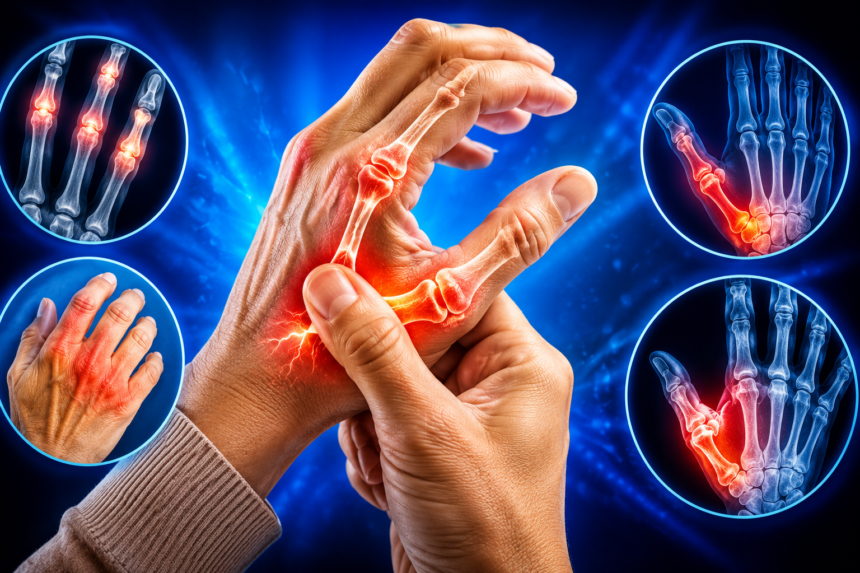
Arthritis refers to inflammation or damage in one or more joints. In the hands, arthritis commonly affects the small joints of the fingers, the base of the thumb, and the joints near the fingertips.
Healthy joints contain cartilage, a smooth tissue that allows bones to move easily. When arthritis develops, cartilage may wear down or the immune system may attack joint tissues, causing pain, swelling, and reduced movement.
Types of Arthritis That Affect Fingers and Thumbs
Several types of arthritis can affect hand joints.
1. Osteoarthritis (Wear-and-Tear Arthritis)
Osteoarthritis is the most common type of arthritis in the hands.
It occurs when cartilage gradually breaks down due to aging or repeated stress.
Commonly affected areas:
- Base of the thumb
- Middle finger joints
- Joints closest to the fingertips
Symptoms often develop slowly over time.
2. Rheumatoid Arthritis
Rheumatoid arthritis is an autoimmune disease in which the body’s immune system mistakenly attacks healthy joint tissues.
Unlike osteoarthritis, it can affect people of any age.
Features include:
- Swelling in multiple joints
- Pain on both hands
- Morning stiffness lasting more than 30 minutes
- Warm or tender joints
Early diagnosis and treatment can help prevent joint damage.
3. Psoriatic Arthritis
People with psoriasis may develop psoriatic arthritis.
Symptoms can include:
- Swollen fingers or toes
- Nail changes
- Joint pain
- Skin patches
It requires medical evaluation for proper management.
Early Signs of Arthritis in Fingers and Thumbs
1. Joint Pain
Pain is one of the most common symptoms.
You may notice discomfort when:
- Gripping objects
- Opening containers
- Turning keys
- Using a phone
- Writing
Pain may worsen after repeated use.
2. Stiffness
Many people experience stiffness, especially:
- In the morning
- After periods of inactivity
- During cold weather
The hands may feel difficult to move at first but loosen with gentle activity.
3. Swelling
Arthritic joints may appear:
- Enlarged
- Puffy
- Red
- Tender
Swelling occurs due to inflammation inside the joint.
4. Reduced Grip Strength
Arthritis can weaken the muscles around affected joints.
You may notice difficulty with:
- Holding cups
- Carrying bags
- Opening jars
- Using tools
5. Clicking or Grinding Sensations
Some people feel or hear:
- Clicking
- Popping
- Grinding sounds
These may occur when damaged joint surfaces rub together.
6. Changes in Finger Appearance
Advanced arthritis may cause visible changes such as:
- Enlarged knuckles
- Finger deformities
- Bony bumps near joints
These changes are more common in long-term arthritis.
Common Signs of Thumb Arthritis
Thumb arthritis often affects the joint at the base of the thumb, where the thumb connects to the wrist.
Symptoms include:
- Pain at the thumb base
- Difficulty pinching objects
- Trouble opening jars
- Weak grip
- Swelling around the thumb joint
Thumb arthritis can significantly affect daily activities because the thumb plays a major role in hand movement.
What Causes Arthritis in Fingers and Thumbs?
Several factors may increase the risk.
Age
Joint cartilage naturally becomes thinner with age.
Genetics
A family history of arthritis may increase risk.
Previous Injuries
Broken bones, sprains, or damage to joints can increase future arthritis risk.
Repetitive Hand Movements
Jobs or hobbies involving repeated hand use may contribute to joint stress.
Examples include:
- Typing
- Sewing
- Manual work
- Certain sports
Autoimmune Conditions
Conditions like rheumatoid arthritis occur when the immune system attacks the joints.
When Should You See a Doctor?
Consult a healthcare professional if you experience:
- Persistent finger or thumb pain
- Swelling that does not improve
- Difficulty using your hands
- Joint stiffness lasting weeks
- Changes in finger shape
- Warm, red joints
- Pain affecting daily activities
Early evaluation can help prevent worsening symptoms.
How Is Finger Arthritis Diagnosed?
Doctors use several methods to diagnose arthritis.
Medical History
The doctor asks about:
- Symptoms
- Duration of pain
- Family history
- Previous injuries
Physical Examination
The doctor checks:
- Joint movement
- Swelling
- Tenderness
- Grip strength
Imaging Tests
X-rays may show:
- Cartilage loss
- Bone changes
- Joint narrowing
Blood Tests
Blood tests may help identify autoimmune arthritis, such as rheumatoid arthritis.
Treatment Options for Finger and Thumb Arthritis
Treatment depends on the type and severity of arthritis.
1. Exercise and Hand Therapy
Gentle exercises can improve:
- Flexibility
- Strength
- Range of motion
A physical or occupational therapist can provide personalized exercises.
2. Heat and Cold Therapy
Heat can help:
- Relax stiff joints
- Improve movement
Cold can help:
- Reduce swelling
- Ease pain
3. Pain Relief Medicines
Doctors may recommend:
- Topical pain-relief creams
- Anti-inflammatory medications
- Other pain management options
Always use medicines according to medical advice.
4. Splints or Supports
Thumb braces or finger splints may:
- Reduce pressure on joints
- Improve stability
- Reduce pain during activities
5. Injections
In some cases, doctors may recommend injections to reduce inflammation and pain.
6. Surgery
Surgery is usually considered only when other treatments do not provide relief.
Options depend on the affected joint and severity of damage.
Exercises That May Help Hand Arthritis
Gentle movements can help maintain flexibility.
Finger Bends
Slowly bend your fingers into your palm and straighten them.
Thumb Stretch
Move your thumb gently across your palm toward the base of your little finger.
Fist Exercise
Make a soft fist without squeezing tightly, then slowly open your hand.
Finger Lifts
Place your hand flat on a table and gently lift each finger one at a time.
Avoid exercises that increase pain.
Lifestyle Tips for Healthier Hands
Maintain a Healthy Weight
Extra body weight increases inflammation and joint stress.
Eat an Anti-Inflammatory Diet
Include:
- Fruits
- Vegetables
- Fish rich in omega-3 fats
- Nuts
- Whole grains
Protect Your Hands
Use tools that reduce strain and avoid excessive pressure on painful joints.
Stay Active
Regular movement supports joint health.
Foods That May Support Joint Health
Helpful foods include:
Fatty Fish
Salmon, sardines, and mackerel provide omega-3 fatty acids.
Colorful Fruits
Berries and citrus fruits provide antioxidants.
Leafy Greens
Spinach and kale contain important vitamins.
Nuts and Seeds
Walnuts and flaxseeds provide healthy fats.
Olive Oil
Contains compounds that may help reduce inflammation.
Frequently Asked Questions (FAQs)
Can arthritis in fingers be cured?
There is currently no complete cure for most types of arthritis, but treatments can reduce symptoms and improve function.
Is finger cracking a sign of arthritis?
No. Normal joint cracking does not usually cause arthritis.
Can young people get arthritis in their hands?
Yes. Autoimmune arthritis and injuries can affect younger people.
Does weather affect arthritis pain?
Many people report increased stiffness or discomfort during cold or changing weather, although the reason is not fully understood.
Can exercise make arthritis worse?
Gentle exercise usually helps, but activities that cause significant pain should be avoided.
Conclusion
Arthritis in the fingers and thumbs can affect comfort, movement, and independence, but recognizing early symptoms can make a major difference. Joint pain, stiffness, swelling, reduced grip strength, and changes in hand appearance may indicate arthritis and should not be ignored. While arthritis cannot always be prevented, treatments, exercises, healthy eating, and lifestyle changes can help manage symptoms and protect joint function. If finger or thumb pain continues or interferes with daily activities, consulting a healthcare professional is the best step toward proper diagnosis and effective care.