Benazir Income Support Programme (BISP) beneficiaries must now complete mandatory biometric re-verification to maintain their financial assistance. The government has tightened internal controls following reports of unauthorized deductions and administrative irregularities in recent disbursement cycles.
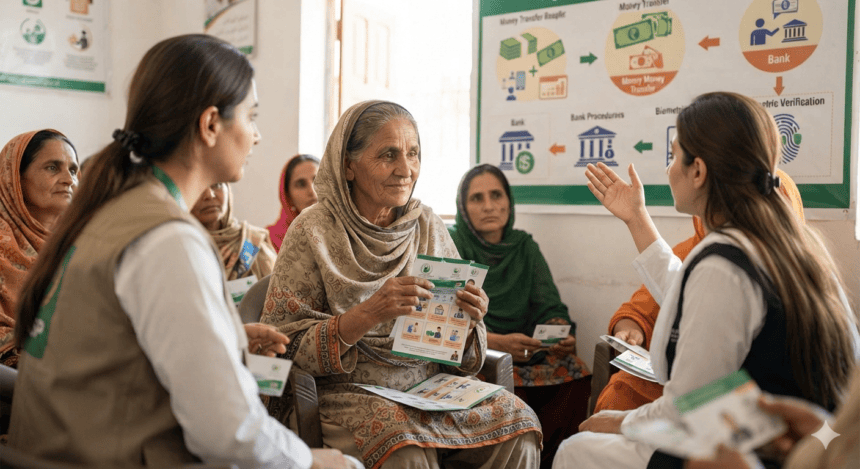
The new instructions require all recipients to visit designated BISP tehsil offices or partner bank branches for thumbprint authentication. Officials claim this move will eliminate “middlemen” who have been skimming small percentages from the monthly stipends meant for the country’s most vulnerable households.
For the millions relying on these payments to cover basic food and fuel costs, the timing is difficult. Many recipients are reporting long queues and technical glitches at payment centers, with some alleging that their accounts have been flagged for “data mismatch” without prior notice.
“I spent three days traveling to the district office just to be told my thumbprint isn’t matching the database,” said a recipient from rural Punjab. “Without this money, we don’t have enough to buy flour for the week.”
BISP management maintains that the verification is a necessary step to clean up the beneficiary list. They argue that thousands of ineligible individuals—some of whom have seen significant income growth or possess assets above the program’s threshold—have been siphoned off the budget for too long.
The program, which remains a lifeline for over nine million families, is currently under pressure to prove its fiscal transparency. International lenders have previously raised concerns about the lack of real-time tracking in cash transfers. By forcing this biometric audit, the government hopes to satisfy these oversight requirements while reducing the total payout burden.
Recipients who fail to verify their status by the upcoming deadline risk having their accounts suspended indefinitely. While the government promises that the process is straightforward, the reality on the ground remains a test of endurance for those with limited mobility and resources.
For now, the policy stands: no biometric match, no payment. The burden of proof has shifted entirely onto the beneficiary.