ISLAMABAD — The newly unveiled federal budget for FY26-27 introduces a strategic mix of structural incentives and targeted taxation for Pakistan’s automotive sector. Prioritizing domestic manufacturing and eco-friendly mobility, the fiscal framework aims to shield local assembly lines, accelerate electric vehicle (EV) adoption, and generate substantial revenue from premium imports ahead of the upcoming Auto Policy 2026-31.
The federal administration has opted for policy continuity, extending critical incentives to give the recovering sector breathing room. Under a broader fiscal rationalization that offers Rs 285 billion in overall tax relief across various industries, customs duties on completely knocked-down (CKD) kits and spare parts have been slashed or amended. Conversely, to curb luxury spending and protect foreign exchange reserves, the government has imposed a higher Federal Excise Duty (FED) on high-displacement vehicles within the 2,000cc to 3,000cc range and beyond 3,000cc, directly hitting luxury sedans and SUVs.
Aligned with the New Energy Vehicle (NEV) Policy 2025-2030 and the Pakistan Accelerated Vehicle Electrification (PAVE) initiative, the budget reinforces the country’s transition toward green transport. Concessional customs duties on CKD kits for electric vehicles have been extended until June 30, 2027, maintaining a favorable structure of 1% on specialized components, 10% on non-localized parts, and 25% on localized elements. Furthermore, sales tax relief for locally manufactured EVs remains fully intact to keep domestic production competitive.
To encourage local assembly over fully built-up (CBU) imports, a new tiered FED has been introduced for high-end imported electric vehicles priced at Rs 20 million (Rs 2 crore) and above. While affordable EV models remain unaffected, luxury imports will see substantial price hikes. On the commercial front, electric trucks will continue to utilize a concessional 1% sales tax to support national logistics and CPEC-related transport infrastructure.
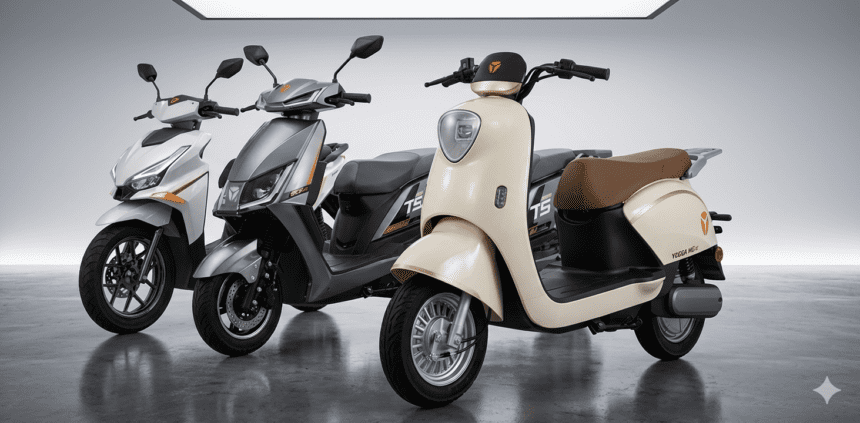
Electric two- and three-wheelers emerged as the primary beneficiaries of the fiscal roadmap. Concessional duties on raw materials and components for manufacturing e-bikes and e-scooters remain unchanged to combat high fuel costs for the public. Backed by consumer subsidies—including up to Rs 80,000 in targeted regional initiatives—and interest-free financing programs like those launched in Punjab, the budget seeks to aggressively convert a portion of the country’s 30 million traditional motorcycles into electric alternatives.
With more than 118 active assemblers across the two-, three-, and four-wheeler categories, the structural protections are designed to scale up production volumes. While middle-class consumers can expect more affordable local electric alternatives over the coming months, luxury buyers face immediate price increases. The definitive fiscal impact on retail pricing will fully materialize within the next few weeks as the Federal Board of Revenue (FBR) issues the formal Statutory Regulatory Orders (SROs) alongside the finalized text of the Finance Bill.