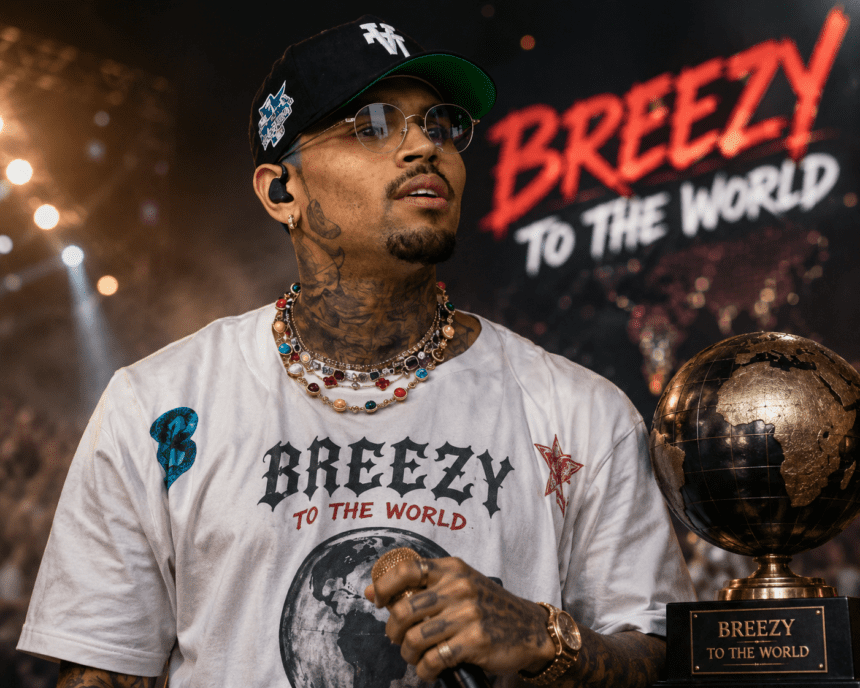
Chris Brown’s latest album artwork has ignited a fierce backlash online, with fans and digital artists alike accusing the singer of relying on generative AI to produce the cover. The image, which features a stylized, near-future aesthetic, has become a lightning rod for criticism regarding the devaluation of human artistry in the music industry.
The controversy centers on the cover’s technical inconsistencies. Users on X (formerly Twitter) and Instagram were quick to point out telltale signs of AI-generated imagery: distorted hand structures, inconsistent lighting transitions, and a “plasticky” skin texture that critics argue no human illustrator would intentionally produce. For many, the choice to use an AI-generated asset feels like a corner-cutting measure from an artist known for high-production music videos and elaborate stage performances.
“It’s lazy,” one top-rated comment on a fan page read. “A guy with his budget shouldn’t be using a prompt to design his legacy.”
Brown has remained silent on the specific accusations, neither confirming nor denying the use of AI tools. His team has yet to issue a statement regarding the graphic design process, leaving the vacuum of information to be filled by widespread speculation.
The backlash reflects a broader tension currently gripping the entertainment world. As AI tools become more accessible, the threshold for what constitutes “professional” creative work is shifting. For established artists, the stakes are higher; fans often demand a level of intentionality and personal touch that automated generators simply cannot replicate.
This isn’t the first time a major artist has faced scrutiny for AI usage. However, the intensity of the reaction toward Brown suggests that audiences are becoming increasingly sensitive to the distinction between human-led creative direction and machine-assisted output.
As the debate continues to circulate, the album’s promotion has shifted from the music itself to the ethics of its visual presentation. Whether Brown’s team eventually pivots to a re-release or doubles down on the current aesthetic, the incident marks a growing divide between artists embracing synthetic media and a fanbase that feels increasingly alienated by it.