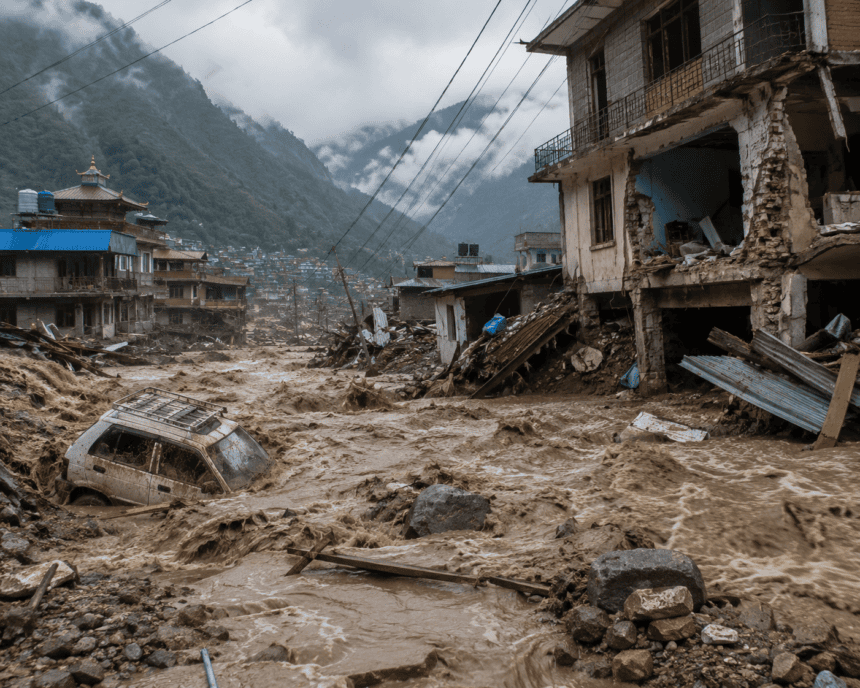
Heavy monsoon rains have triggered catastrophic flooding and landslides across Nepal and Tibet, claiming dozens of lives and severing critical infrastructure. The deluge, which began over the weekend, has turned mountain streams into torrents, washing away homes and leaving thousands stranded in remote, high-altitude regions.
In Nepal, the death toll has climbed past 170, with dozens still missing. The capital, Kathmandu, remains effectively cut off from the rest of the country. Main highways leading out of the city—including the vital Prithvi Highway—are buried under mud and debris, stalling rescue operations and humanitarian aid.
The situation is equally grim across the border in the Tibet Autonomous Region. Persistent downpours have caused significant breaches in riverbanks, forcing mass evacuations as water levels surged toward record highs. Local authorities have scrambled to deploy emergency teams, but the rugged terrain and ongoing rainfall have made reaching the hardest-hit villages a logistical nightmare.
Beyond the immediate loss of life, the economic toll is mounting. Thousands of acres of standing crops have been submerged, threatening food security in these vulnerable mountain communities. Electricity grids are down, and communication lines remain severed, leaving entire valleys in the dark.
Climate scientists point to a shifting monsoon pattern as the driver. While heavy rain is standard for this time of year, the intensity and concentration of the precipitation have been abnormal. This isn’t just a seasonal event; it’s an intensification of weather patterns that infrastructure in both Nepal and Tibet was never built to withstand.
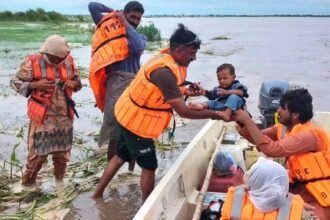
Rescuers continue to use helicopters to pluck survivors from rooftops, but for many, the help arrived too late. With the ground saturated and more rain in the forecast, the risk of further landslides remains high.
For the families left behind, the focus has shifted from rescue to recovery. They are now facing the daunting task of rebuilding homes and livelihoods in a landscape that has been fundamentally reshaped by the water.
“We lost everything in minutes,” said one survivor in a flooded district outside Kathmandu. “The river didn’t just rise; it took the land itself.”
As the waters slowly recede, the scale of the damage is becoming clear. The region is now bracing for the long-term health and economic fallout of what locals are already calling the most destructive flood in recent memory.