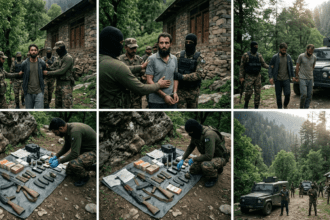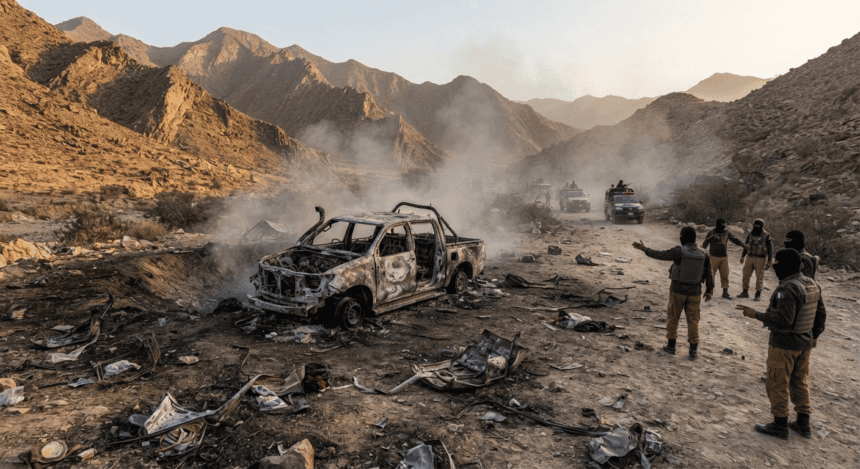
Eight suspected militants died early Tuesday when an explosive device they were transporting detonated prematurely in the Surab district of Balochistan. The Inter-Services Public Relations (ISPR) confirmed the incident, stating the group was in the process of planting the device to target security forces when it went off.
The blast occurred in a remote area, leaving little trace of the individuals involved. Security forces recovered the remains from the site, identifying the group as members of a banned outfit operating in the region.
Balochistan has seen a surge in violence recently, with militant factions increasingly turning to improvised explosive devices (IEDs) to bypass traditional security checkpoints. This specific incident marks a tactical failure for the group, though it underscores the persistent threat posed by insurgent networks in the province’s rugged terrain.
Military analysts suggest the premature detonation highlights a lack of technical expertise among the lower tiers of these militant cells. Despite this, the security situation in Surab remains fragile. Local authorities have cordoned off the area to conduct a search operation, fearing other devices may have been planted in the vicinity.
The incident comes just days after a series of coordinated attacks in the province, which have put security agencies on high alert. While the military maintains that operations against these groups are intensifying, the frequent use of IEDs continues to pose a lethal risk to both personnel and civilians.
No other group has claimed responsibility for the intended target, and the military’s search for remaining members of the cell is ongoing. With the region already on edge, this blast serves as a reminder of the volatile security environment dominating the landscape of Balochistan.