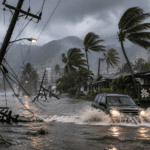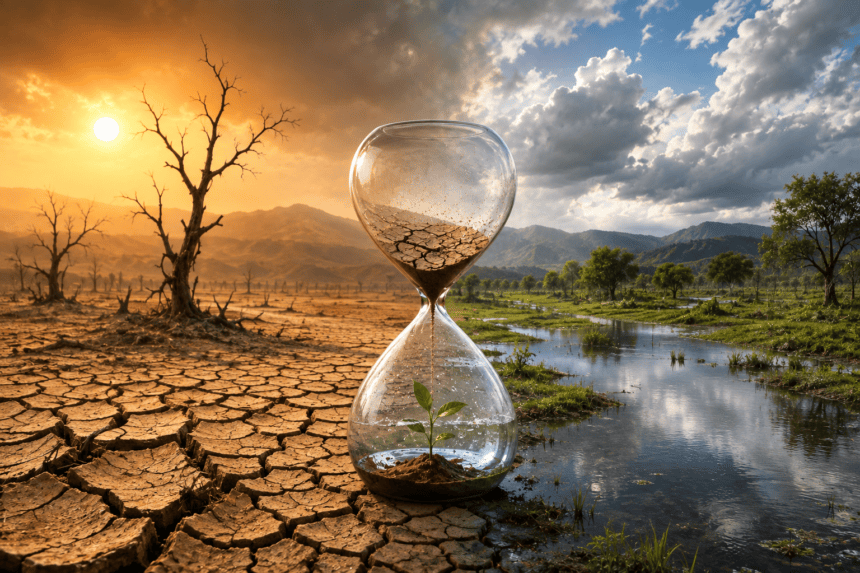
The arrival of La Niña is finally breaking the grip of the record-breaking heat that scorched much of the globe over the last eighteen months. While meteorologists confirm the transition is underway, the “end” of the drought remains a matter of geography rather than a universal calendar date.
For agricultural heartlands, the rain isn’t a magic wand. Soil moisture deficits—the deep-seated dryness in the earth—take months, sometimes years, to recover. Even with the shift in weather patterns, farmers from the American Midwest to the Horn of Africa aren’t celebrating yet. The ground is often too baked to absorb the sudden surge of moisture, leading to flash flooding rather than the slow, soaking replenishment needed for crop recovery.
“We’re seeing the pattern break, but the damage to the water table is done,” said Dr. Elena Vance, a hydrologist monitoring global reservoir levels. “A wet season doesn’t mean a drought is over; it just means we’ve stopped digging the hole deeper.”
In the Western United States, reservoirs like Lake Mead are showing signs of life, yet they remain well below historical averages. The water crisis isn’t just about the rain that fell yesterday; it’s about the massive shortfall in snowpack from the previous two winters. Policy experts argue that even if this season brings above-average precipitation, the infrastructure is still built for a climate that no longer exists.
The economic impact is shifting from immediate crop failure to long-term price volatility. Global grain markets have already baked the drought into current futures prices. Even as production numbers stabilize, food costs are expected to stay high for the average consumer, as supply chains struggle to recalibrate after years of lean harvests.
Governments are now pivoting from emergency relief to long-term adaptation. In places like California and rural Spain, the conversation has moved past “waiting for the rain.” Investments in desalination, wastewater recycling, and drought-resistant crop strains are replacing the hope that the weather will simply return to “normal.”
The drought is loosening its hold, but the era of abundant, guaranteed water is likely a thing of the past. The rain will fall, but for the millions relying on the land, the real work is just beginning.