Fervo Energy, the Houston-based startup that proved drilling technology from the oil and gas industry could unlock 24/7 carbon-free power, is moving toward an initial public offering. The move marks a definitive step for a company that spent years convincing investors that the earth’s heat—not just sun and wind—could anchor the power grid.
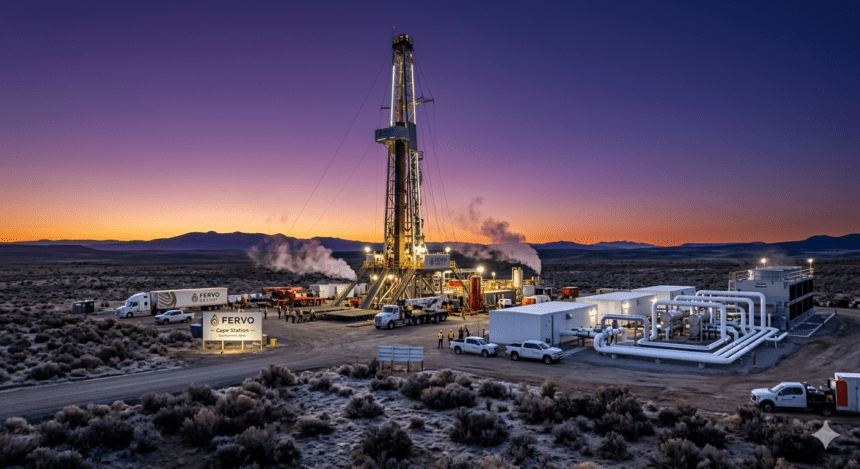
The decision to go public follows the success of Fervo’s Project Red in Nevada. By applying horizontal drilling and multi-stage hydraulic fracturing—techniques perfected in the Permian Basin—the company successfully tapped into geothermal reservoirs previously considered unreachable. It’s a departure from the traditional model that required proximity to natural hot springs or volcanic activity.
Industry analysts have long viewed geothermal as the “holy grail” of renewables. Unlike solar and wind, it doesn’t require massive battery arrays to bridge the gap when the sun sets or the air goes still. Fervo’s tech provides a steady, baseload supply. The challenge, however, has always been the exorbitant upfront cost of exploration and drilling.
Fervo’s pivot to the public markets serves as a litmus test for the wider energy transition. Investors are increasingly wary of capital-intensive projects, yet the demand for constant, reliable clean energy has never been higher. With Google already signed on as a major customer to power its data centers, the startup has a clear revenue path that differentiates it from speculative green-tech ventures.
The IPO comes at a friction point for the sector. While the Department of Energy has funneled billions into geothermal research, private capital has remained cautious. Fervo’s ability to secure a public valuation will likely determine whether geothermal becomes a mainstream energy pillar or remains a niche experiment.
For the company, the transition from a venture-backed startup to a public entity is more than a financial milestone. It’s a bet that the grid’s need for reliability will finally outweigh the risks of deep-earth exploration. If they succeed, they won’t just be an energy provider; they’ll be the blueprint for a new industrial standard.