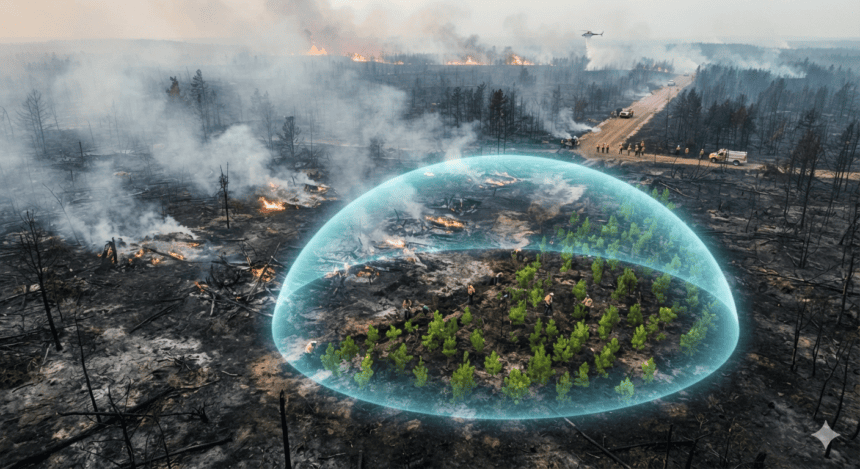
The flames have largely died down, leaving behind a scarred, blackened landscape that stretches for miles. While the immediate threat of encroaching fire has receded, the ground remains hot—literally and figuratively. Smoke still curls from the roots of charred timber, and for the residents of the affected valley, the focus has shifted from survival to the grim task of recovery and the harder question of how to prevent a repeat.
Fire crews are still on the ground, patrolling “hot spots” where underground root systems continue to smolder. One spark, one gust of wind, could reignite the cycle. For the local emergency coordinator, the current lull is not a time for relief. It’s a tactical window.
“We aren’t out of the woods, but we’re no longer running for our lives,” said the area’s fire chief, who has spent the last 96 hours managing the containment lines. “Right now, it’s about making sure the perimeter holds while we figure out how the fire jumped the containment line in the first place.”
The destruction is absolute in places. Dozens of homes are gone. Power lines lie tangled in the dirt, and the local water infrastructure is compromised. Insurance adjusters are already swarming the area, but their clipboards and estimates offer little comfort to families picking through the ash for remnants of their lives.
State officials are now under pressure to explain why previous fire-mitigation efforts—meant to create defensible space around the town—failed to stop the blaze. Critics point to overgrown brush and a lack of controlled burns in the preceding winter as primary culprits. The state forestry commission maintains that record-breaking drought conditions turned even managed forests into tinderboxes, rendering standard prevention tactics ineffective.
The debate over land management is intensifying. Environmental groups are calling for a complete overhaul of how the region handles forest thinning, arguing that commercial logging interests have prioritized timber harvest over fire safety. Meanwhile, local ranchers argue that stricter regulations on clearing brush have left the land vulnerable to the very catastrophe they just survived.
Whatever the cause, the economic reality is setting in. The local tourism industry, already fragile, faces a total shutdown for the season. Small business owners are looking at a summer without customers, a winter without heating, and a long, expensive road to rebuilding.
For the people living in the shadow of the smoke, the priority is simple: they want to know that when the next season turns dry, the landscape won’t be as volatile. Until then, they’re watching the horizon, waiting for the smoke to finally vanish.