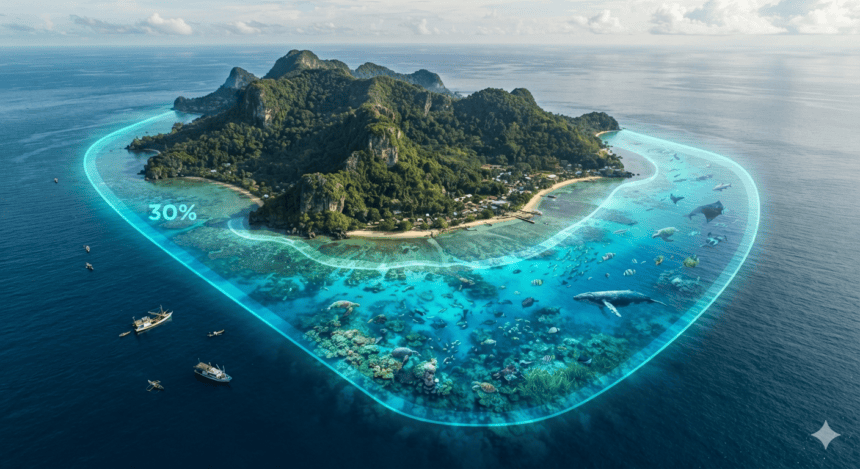
The government is weighing a proposal to designate a sprawling, remote island chain as a protected marine sanctuary. If approved, the move would effectively place 30% of the nation’s territorial waters under strict environmental oversight, marking a shift in how officials balance commercial fishing interests against conservation goals.
The plan targets the archipelago’s surrounding reefs and deep-sea trenches. Scientists have long pushed for this protection, citing the area as a critical breeding ground for endangered migratory species. Without intervention, local researchers warn that overfishing and illegal trawling will permanently strip the region of its biodiversity within the decade.
The proposal hasn’t been met with universal approval. Commercial fishing syndicates argue that closing these waters will force them to travel further into the open ocean, driving up fuel costs and retail prices for consumers. They’ve spent the last week lobbying lawmakers in the capital, claiming the economic impact on port towns could reach millions annually.
Environment Minister Sarah Jenkins pushed back against those concerns during a hearing Tuesday. She pointed to a new economic analysis suggesting that the “spillover effect”—where protected fish populations replenish surrounding commercial zones—could actually boost long-term yields.
“We aren’t looking at a permanent closure,” Jenkins told reporters. “We’re looking at a recovery period that makes the industry sustainable for the next fifty years rather than the next five.”
The draft legislation includes a phased implementation. It would begin with a two-year ban on industrial-scale trawling, followed by a transition to strictly monitored, small-scale artisan fishing. The military has already agreed to provide patrol vessels to enforce the boundaries, a move meant to signal that the government views these waters as a strategic asset.
If the cabinet clears the proposal by the end of this month, the protection status will take effect in January. For now, the island chain remains a legal gray zone, leaving the local ecosystem vulnerable to the very practices this plan aims to end.