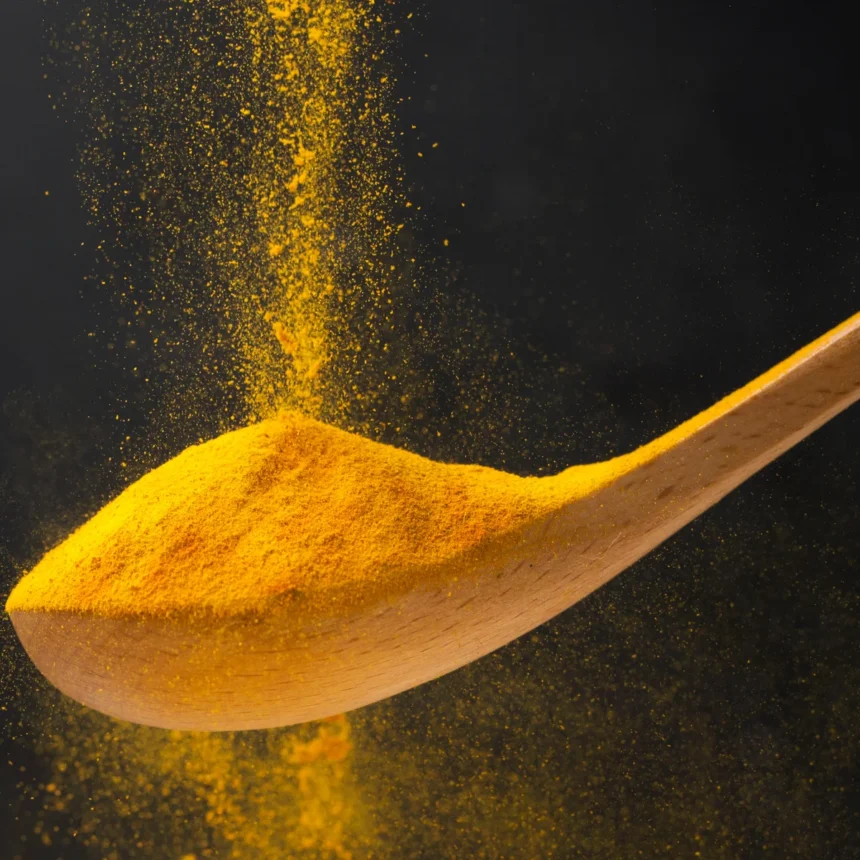
Turmeric contains curcumin, a natural compound known for its anti-inflammatory and antioxidant properties. Research suggests it may help support health in several areas, although it should not be considered a replacement for medical treatment.
Here’s a detailed blog version based on the article:
From Joint Pain to Heart Health: 10 Conditions Turmeric May Help Support
Turmeric has been used for centuries in traditional medicine and cooking, but modern research is also exploring its potential health benefits. Its best-known active compound, curcumin, has anti-inflammatory and antioxidant properties that may help support the body in several ways.
While turmeric is not a cure or replacement for medical treatment, studies suggest that it may provide supportive benefits for certain health conditions.
1. Arthritis and Joint Pain
Turmeric may help reduce inflammation associated with arthritis. Research reviewed in the article suggests that curcumin may help ease pain, swelling and stiffness, particularly in people with osteoarthritis and other inflammatory joint conditions.
2. Heart Health
Chronic inflammation and poor blood vessel function can contribute to cardiovascular disease. Curcumin may support heart health by helping improve blood vessel function and certain cholesterol levels, although it should not replace prescribed heart medications.
3. Inflammatory Bowel Disease
Some research suggests that curcumin may support standard treatment for inflammatory bowel diseases such as ulcerative colitis and Crohn’s disease. Early findings are promising, but more research is needed to determine the most effective dose and long-term benefits.
4. Neurodegenerative Diseases
Researchers are investigating whether curcumin’s anti-inflammatory and antioxidant effects could help protect brain cells. It may have potential relevance for conditions such as Alzheimer’s and Parkinson’s disease, but the evidence is still developing.
5. Depression
Curcumin has also been studied for its possible effects on mood and depression. Some research suggests it may support brain processes involved in mood regulation, but it should never replace professional mental health treatment or prescribed medication.
6. Allergies
Because inflammation plays a role in allergic reactions, turmeric may help support the management of mild symptoms such as nasal congestion and sneezing. However, it is not a substitute for appropriate allergy treatment, especially in severe reactions.
7. Inflammatory Skin Conditions
Conditions such as eczema and psoriasis involve inflammation and immune-system activity. Curcumin’s anti-inflammatory properties may help support skin health and reduce inflammation, though more clinical research is needed.
8. Cancer Research
Laboratory and early clinical research has explored whether curcumin could influence cancer cell growth or support certain cancer treatments. However, the evidence is not sufficient to consider turmeric or curcumin a cancer treatment, and much more research is needed.
9. Type 2 Diabetes
Curcumin may help support healthy blood sugar regulation and improve the body’s response to insulin when combined with a healthy lifestyle. People taking diabetes medication should be cautious with supplements because of possible effects on blood sugar.
10. Respiratory Conditions
Turmeric may also help support respiratory health by reducing inflammation in the airways. Researchers are studying its potential role in conditions such as asthma and COPD, but it should not replace inhalers or other prescribed treatments.
How to Add Turmeric to Your Diet
Turmeric can be used as a cooking spice, added to tea or milk-based drinks, or taken as a supplement. Curcumin is not easily absorbed, and combining turmeric with black pepper, which contains piperine, may improve absorption. Taking it with dietary fat may also help.
A Word of Caution
Turmeric used in normal amounts in food is generally considered safe for most people. However, high-dose supplements can cause stomach upset, nausea or diarrhea and may interact with certain medications, including blood thinners and drugs that lower blood sugar. It is best to speak with a healthcare professional before starting turmeric or curcumin supplements.