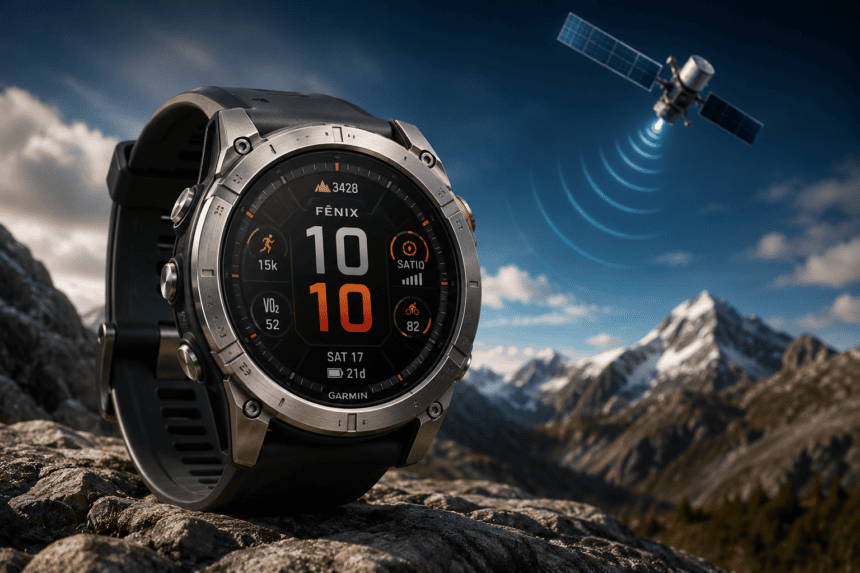
Garmin’s latest flagship, the fēnix 9 Pro, hit the market today, signaling a significant hardware pivot for the company’s premier multisport watch line. The new model debuts a brushed titanium casing and integrated satellite connectivity, moving beyond the reliance on smartphone tethering for emergency alerts.
The shift to a titanium chassis isn’t just aesthetic. It drops the watch’s overall weight by 15% compared to the 8 Pro, a move clearly aimed at ultra-marathoners and alpinists who count every gram. Garmin has kept the rugged footprint, but the refined geometry suggests a focus on comfort during multi-day expeditions.
The headline feature—direct-to-satellite messaging—allows users to send SOS signals and text-based updates from beyond cellular range. This isn’t a new concept in the wearable space, but Garmin’s implementation ties directly into their existing Iridium-based network, bypassing the latency issues that have plagued competitors.
“We’ve seen the demand for true autonomy in the backcountry,” said Garmin’s head of product development in a briefing Wednesday. “Users don’t want to carry a separate InReach device if their watch can handle the heavy lifting.”
Battery life remains the anchor of the fēnix reputation. Even with the added power draw from the satellite antenna, Garmin claims a 20-day run time in smartwatch mode. In GPS-only mode, the watch stretches to 85 hours. Whether those numbers hold up in real-world, high-altitude conditions remains the primary concern for power users who have been burned by “lab-tested” battery claims before.
The watch also introduces a refined heart-rate sensor array, which the company claims tracks blood oxygen and pulse variance with higher precision during rapid elevation changes. Whether this sensor upgrade provides enough utility to justify the $999 starting price is a question the market will answer in the coming weeks.
Garmin’s move forces a new standard for high-end wearables. By integrating satellite tech into a standard-sized chassis, they have effectively closed the gap between a specialized emergency tool and a daily-wear fitness tracker.
Shipments begin Friday, with the first units expected to reach retailers by early next week.