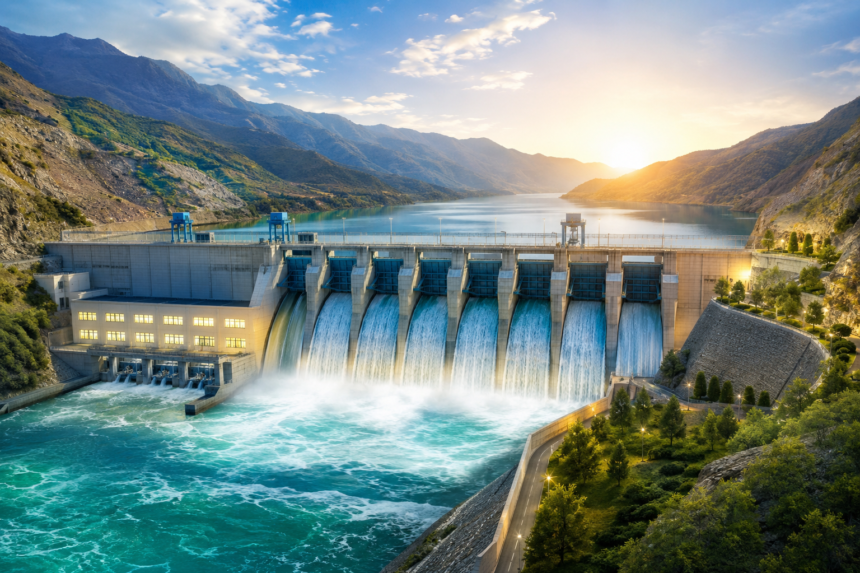
The Gomal Zam hydropower project is finally back at full capacity, ending an eight-year stretch of technical complications and operational hurdles. The 17.4-megawatt station, located in South Waziristan, resumed its full output this week, providing a long-awaited boost to the local power grid.
For nearly a decade, the station operated at a fraction of its potential. Sediment accumulation—a common but persistent challenge for dams in the region—severely choked the facility’s ability to generate electricity. While the project was designed to irrigate over 160,000 acres of land and provide power to thousands of homes, the mechanical failure effectively turned a regional economic engine into a dormant asset.
Engineers on the ground confirmed the restoration follows a series of desilting operations and turbine repairs that had been delayed by both funding gaps and security concerns in the region. Getting the turbines spinning at full throttle wasn’t just about fixing broken parts; it required navigating the complex logistical landscape of the tribal districts.
The revival is a significant win for the local economy. Farmers in Tank and Kulachi, who have long complained of erratic water supply and frequent load-shedding, are the primary beneficiaries. Reliable power means more than just lights—it means the local tube wells can run consistently, potentially increasing crop yields in a region that relies heavily on agriculture.
Critics point out that the eight-year timeline for such repairs is a glaring indictment of bureaucratic inertia. Projects of this nature are meant to be maintained, not left to crumble into a state of disrepair that requires years of emergency intervention.
The WAPDA (Water and Power Development Authority) oversight team has promised that new monitoring protocols are now in place to prevent the massive sediment buildup that crippled the plant in 2016. Whether these measures hold up during the next monsoon season—when debris levels typically spike—remains the true test for the facility.
For now, the turbines are running. The grid is stable. For the residents of South Waziristan, the lights are staying on again.