The Istehkam-e-Pakistan Party has moved from signalling intent to actual ticket distribution in Gilgit-Baltistan, announcing what it called the first phase of its lineup for the June 7, 2026 assembly election. The party has finalized candidates for nine seats, a step that gives it a clearer on-ground shape just days after saying it would contest across the region.
According to the party’s announcement carried by multiple outlets, the nine names cleared in this first batch are Maulana Sultan Rais, Fatahullah Khan, Captain (r) Shafi Ullah Khan, Emaan Shah, Raja Jalal Hussain, Shams-ul-Haq Lone, Haji Shah Baig, Haji Gulbar Khan, and Khan Akbar Khan. The same announcement said more tickets are still to come, which suggests IPP is treating this as an opening round rather than its full election slate.
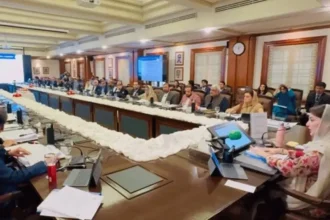
That matters because only a day earlier, IPP had publicly declared that it planned to contest all seats in the Gilgit-Baltistan election and had already set up a 20-member parliamentary election board to vet candidates and approve tickets. Party president Abdul Aleem Khan chaired that meeting, while the board included figures such as Haji Gulbar Khan, Raja Jalal Hussain and Shams-ul-Haq Lone — names that now also appear in the first list of finalized candidates.
The election itself is set for Sunday, June 7, 2026, under the schedule issued by the Election Commission of Gilgit-Baltistan. Press reports on the schedule said nomination papers were to be filed from April 16 to April 20, the preliminary list of candidates was due on April 21, scrutiny would run through April 28, appeals were to be settled by May 9, and withdrawal of nomination papers was allowed until May 11.
For IPP, this is more than a routine list release. The party is still a relatively new electoral player in Gilgit-Baltistan, and it has been trying to show that it isn’t entering the race symbolically. Over the last two months, it has worked to build local relevance, including by drawing in figures from the region and talking up a development-heavy pitch focused on tourism, infrastructure and services. In February, reports noted a group of Gilgit-Baltistan political figures joining IPP, an early sign that the party wanted a serious foothold before the campaign entered full swing.
There’s another layer here too. The party has said it is still considering the remaining nominations, including reserved seats for women and technocrats, and has floated the possibility of an electoral alliance with Islamic Tehreek Pakistan. So while the nine names are now public, IPP’s broader election strategy still looks like a work in progress.
The wider contest in Gilgit-Baltistan is beginning to look crowded. Other parties have also started sharpening their positions ahead of polling, and recent reporting from the region suggests canvassing is already gaining momentum. That means the early ticket decisions may carry extra weight, especially for parties like IPP that are still trying to convert organizational claims into visible electoral presence.
At this stage, IPP seems to be betting on a fairly simple message: get the recognizable local faces in place first, build the rest of the slate quickly, and then try to turn a late organizational push into actual votes. Whether that works in Gilgit-Baltistan’s fragmented and personality-driven politics is another question — and honestly, that answer will only come once campaigning moves from announcements to real constituency-level contests.