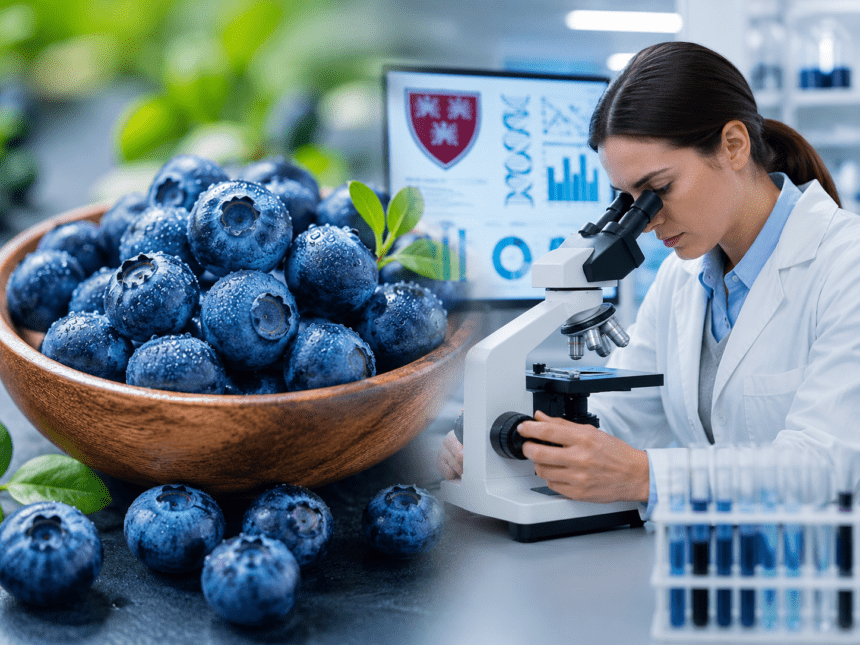
Harvard researchers have identified a clear link between regular blueberry consumption and a slower rate of biological aging. The study, which tracked dietary habits and health markers over several years, suggests that individuals who include the fruit in their daily diet may effectively shave nearly three years off their biological age compared to those who do not.
The findings focus on the high concentration of anthocyanins found in blueberries. These natural pigments act as potent antioxidants, working to neutralize oxidative stress the internal wear and tear that contributes to cellular decay. While most dietary advice centers on general well-being, this data points toward a specific, measurable impact on the body’s internal clock. The research team analyzed data from participants who consumed at least one serving of blueberries daily.
The results remained consistent even when adjusting for exercise, smoking, and overall caloric intake. For the average participant, the difference in biological age markers such as DNA methylation patterns was significant enough to suggest that simple dietary shifts can alter long-term health trajectories.
“It’s not just about adding years to life, but quality to those years,” said one lead researcher involved in the study. “We’re seeing that consistent intake of these specific flavonoids helps maintain cellular integrity in a way that processed foods simply cannot replicate.
” Critics and nutritionists often caution against viewing single “superfoods” as a silver bullet.
The Harvard team acknowledges this, noting that while blueberries provide a measurable benefit, they function best as part of a broader, nutrient-dense diet. Relying on blueberries while maintaining a high-sugar, sedentary lifestyle won’t provide the same protective effects.
For those looking to integrate the findings, the study highlights that frozen blueberries retain nearly all the nutritional potency of fresh ones, making the habit both accessible and affordable year-round.
The data confirms a simple reality: the most effective way to slow the aging process isn’t found in a laboratory, but in the produce aisle.
Whether this shift can prevent specific age-related diseases remains the next focus for the Harvard team, but for now, the evidence is clear a daily bowl of berries is one of the few low-effort interventions with high-impact results.