Health officials in the Democratic Republic of Congo (DRC) are using anonymized mobile phone data to monitor population movements and identify areas at risk of Ebola transmission, as the country continues to battle its largest Ebola outbreak.
The initiative is being carried out with support from the World Health Organization (WHO) and Swedish nonprofit Flowminder. The system analyzes travel patterns generated when mobile phones connect to telecommunications antennas, helping health authorities understand how people move between affected and unaffected areas.
Flowminder initially analyzed movements around Bunia, Mongbwalu and Rwampara, areas affected by the outbreak. The analysis identified important travel connections with other locations, while Kisangani, a major transport hub, emerged as an area requiring early attention because of high population movement.
The data has also helped authorities identify potential risks of Ebola spreading toward Kinshasa and neighboring countries, allowing response teams to consider preventive measures before transmission is detected in new locations.
However, officials acknowledge that mobile-phone data has limitations. The current analysis relies on information from one telecom operator, meaning it does not capture every person’s movements. Cross-border travel is also difficult to monitor completely.
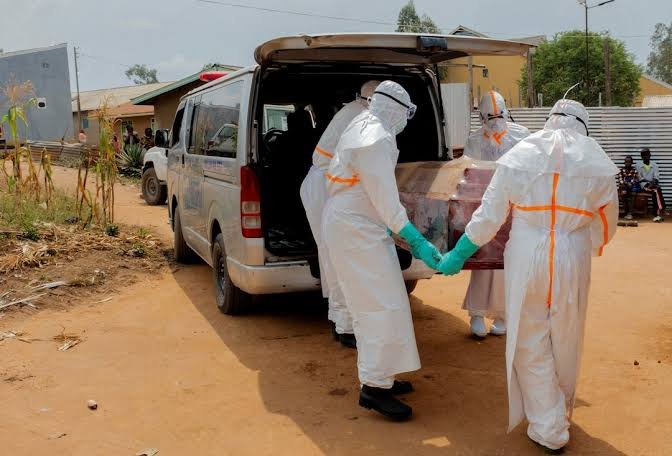
The technology is being deployed as Congo faces a severe Ebola outbreak caused by the Bundibugyo strain. Government figures reported more than 6,000 confirmed cases and over 3,000 deaths by early September, with the outbreak spreading across six provinces.
Health officials hope that combining mobile-phone movement patterns with traditional disease surveillance can help them detect potential transmission routes earlier, target resources more effectively and prevent further spread of the virus.