The Highland Council has drafted new planning guidance aimed at curbing light pollution across the region, a move that could reshape development standards in some of the UK’s last remaining truly dark areas.
The policy arrives as planners face increasing pressure to balance the region’s housing needs with the preservation of its ecological and astronomical assets. If adopted, the guidance will force developers to justify the intensity, direction, and timing of exterior lighting in new projects.
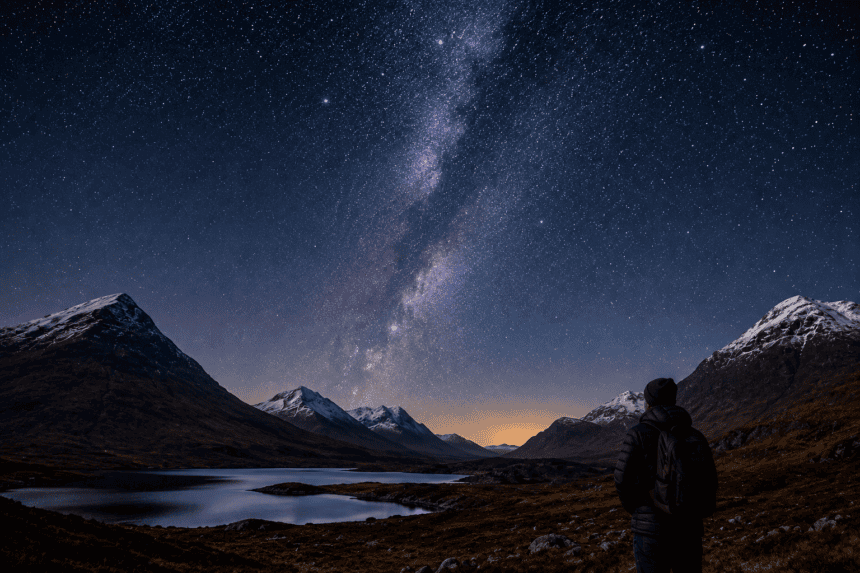
For residents and environmental groups, the proposal is a defensive line against the creeping orange glow of urbanization. Excessive artificial light disrupts the sleep patterns of nocturnal wildlife and obscures the Milky Way—an asset that has turned parts of the Highlands into world-class stargazing destinations.
The draft guidelines emphasize “appropriate lighting” rather than total darkness. Planners are pushing for shielded fixtures that direct light downward, motion sensors to cut waste, and a shift toward warmer color temperatures that are less intrusive to local ecosystems.
“We aren’t asking for the Highlands to go dark, we’re asking for it to be smart,” said a spokesperson for a local dark-skies advocacy group. “Most of the light we see is wasted, spilling into the sky instead of illuminating the ground where it’s actually needed.”
The council’s move follows similar initiatives in other rural parts of the UK where “Dark Sky Park” designations have boosted astro-tourism. By codifying these standards into local planning policy, the Highlands aims to protect the integrity of its nightscape before sprawling developments make it impossible to reverse the damage.
The draft is now headed for a period of public consultation. Developers, who often view lighting restrictions as an added cost or a hurdle to safety compliance, are expected to weigh in with concerns regarding implementation and design flexibility.
The council’s final decision will determine whether the Highlands becomes a blueprint for responsible rural development or if the region will continue to lose its nights to the glare of modern infrastructure.