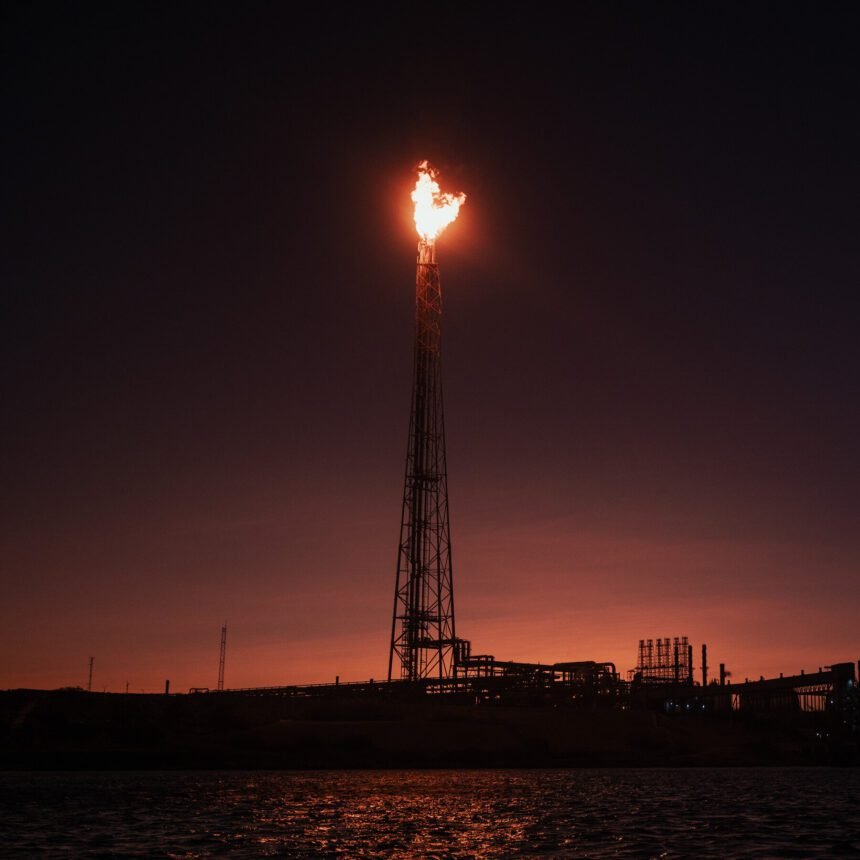
When Donald Trump moved in early 2025 to choke off Chevron’s ability to pump and export Venezuelan crude, the message was blunt: the era of concessions to Caracas was over. The White House framed it as a return to pressure, saying Nicolás Maduro had failed to meet political conditions tied to earlier U.S. relief and had not cooperated enough on migrant returns. Treasury later formalized that shift by issuing a wind-down license for Chevron’s joint ventures in Venezuela.
On paper, that looked like accountability. In practice, the picture has been messier.
The clearest sign came just days ago in a U.S. courtroom, where former Florida congressman David Rivera was convicted in a case tied to a covert $50 million lobbying effort for Venezuela during the first Trump administration. Prosecutors said Rivera and an associate secretly worked to influence U.S. policy and ease sanctions while masking the operation as something commercial. According to trial reporting, the effort was tied to a U.S. subsidiary of Venezuela’s state oil company and relied on political access that reached deep into Republican circles.
That conviction matters because it cuts straight through the public rhetoric. Trump and many of his allies have long presented their Venezuela policy as a moral and strategic campaign — pressure the regime, isolate Maduro, force democratic concessions. Yet the Rivera case suggests that, behind the scenes, people with political connections were allegedly trying to soften that same pressure while presenting themselves as something else entirely. It doesn’t erase the hard-line policy. But it does muddy the story.
There is another layer too, and it sits in the oil fields. Reporting in March said U.S. and Venezuelan authorities were scrutinizing dozens of confidential oil contracts signed during the Maduro era. The details are still not fully public, which is precisely the point: even after loud promises of tougher oversight, parts of Venezuela’s oil system remain buried under opaque side arrangements, private contracts and unanswered questions about who signed what, and for whose benefit.
That opacity has real stakes. Venezuela still holds the world’s largest proven oil reserves, but years of mismanagement, decaying infrastructure and political risk have made the sector difficult to revive. Even when Washington tightens sanctions, the market doesn’t just freeze. It reroutes. Operators change. Middlemen appear. Contracts get reworked. The formal policy can sound clean; the business underneath rarely is.
That is the tension sitting at the heart of the Venezuela story now. Trump promised a cleaner, tougher line. And yes, there were visible moves in that direction — ending Chevron’s license, reasserting sanctions pressure, and publicly accusing Maduro of bad faith. But secret lobbying, hidden contracts and murky oil arrangements have outlasted the slogans. In Venezuela, accountability has been promised many times. The deals, somehow, keep surviving.