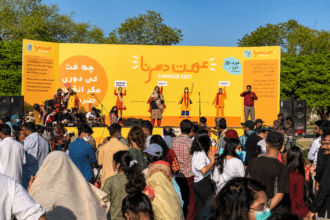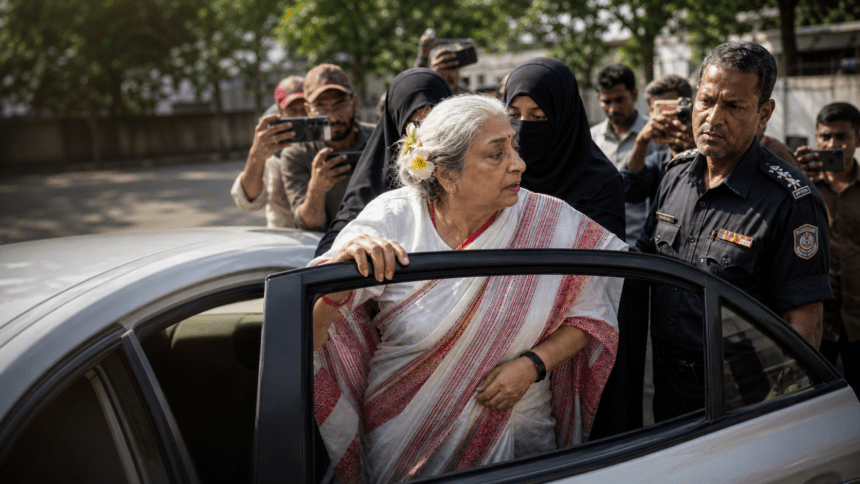
KARACHI, May 5 — Police in Karachi on Tuesday briefly detained seven Aurat March activists, including veteran rights campaigner Sheema Kirmani and transgender activist Shahzadi Rai, after they gathered at the Karachi Press Club for a scheduled press conference. The activists had planned to demand a no-objection certificate (NOC) for their upcoming annual march in the city.
The detentions did not last long. According to current reporting, the activists were released after Sindh Home Minister Ziaul Hassan Lanjar directed Karachi’s South Zone police to free them. An Aurat March organiser later confirmed that all seven had been released.
The episode quickly revived familiar concerns about civic space and the policing of women-led activism in Pakistan. Aurat March events, which have become a yearly flashpoint around women’s rights, have often run into administrative hurdles, restrictions, or police action in different cities. In Karachi, the immediate trigger this time appears to have been the group’s effort to publicly press for permission to hold its next march.
What stands out here is how quickly the confrontation escalated and then unraveled. A press conference outside one of the country’s best-known media venues turned into a detention case, only to be reversed within hours after political intervention. That sequence, frankly, says a lot about how unevenly the right to assemble is handled: one arm of the state disrupts, another steps in to soften the fallout. This is an inference based on the reported sequence of events.
The latest incident also lands not long after a separate crackdown on Aurat March participants in Islamabad around International Women’s Day, where dozens of activists were detained before being released. That broader backdrop has sharpened criticism from rights advocates, who argue that women’s groups continue to face disproportionate restrictions when they try to organise in public.
For now, the basic facts are settled: seven activists were detained, the group says they were preparing to demand permission for their march, and the Sindh home minister’s intervention led to their release. The larger argument — over who gets access to public space, and on what terms — is very much still alive.