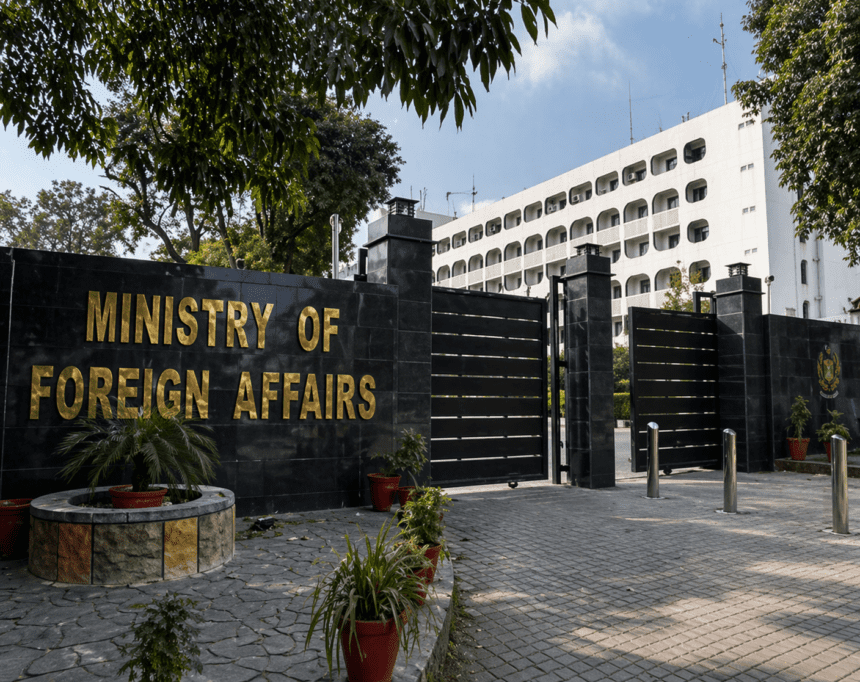
Pakistan has sharply pushed back against India’s claims over the Pahalgam attack, saying New Delhi is using the tragedy to build what Islamabad calls a politically convenient but unproven case against it. Pakistani Foreign Office statements issued after the attack, and again in later exchanges with India, argued that the incident was being exploited “without credible evidence” to malign Pakistan and justify a harder military and diplomatic posture.
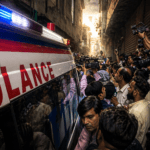
The dispute traces back to the April 22, 2025 attack in Pahalgam in Indian-administered Kashmir, where 26 civilians were killed. India’s official account said 25 Indians and one Nepali citizen died, and New Delhi quickly treated the assault as a major cross-border terrorism case.
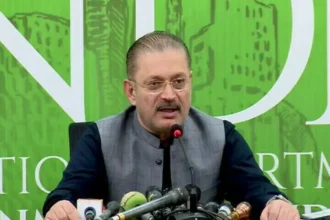
From Pakistan’s side, the line has been consistent, and blunt. Its Foreign Office said repeated references to so-called cross-border terrorism do not make India’s case more credible, and it warned the world against what it described as another round of false allegations. In May, Pakistan’s deputy prime minister and foreign minister also said Islamabad rejected any attempt to link the Pahalgam attack to Pakistan.
India, though, has not backed away. In a May 7 briefing on “Operation Sindoor,” India’s foreign secretary said Pakistani and Pakistan-trained militants from Lashkar-e-Taiba carried out the Pahalgam attack. After the killings, India’s Cabinet Committee on Security announced punitive steps against Pakistan, including keeping the Indus Waters Treaty in abeyance and closing the Attari integrated check post.
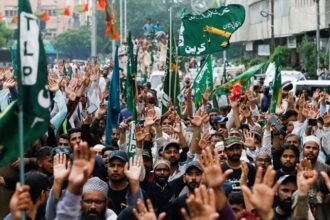
That’s really where the story widened. What began as a massacre in a tourist meadow quickly became the trigger for a broader India-Pakistan crisis. Pakistani official statements accused India of turning the attack into a narrative weapon, while India cast its response as part of a zero-tolerance policy on terrorism. By April 23, 2026, on the first anniversary, Indian messaging was still hard-edged: Prime Minister Narendra Modi said India would “never bow to terror,” and Indian Army messaging said any act against India would meet an assured response.
A year on, the fallout has not faded. Indian media reports on the anniversary said the border remains largely shut and the attack continues to shape bilateral policy and security decisions. Pakistan, meanwhile, has kept insisting that India is distorting facts and using the Pahalgam case to reinforce what it calls a self-serving security narrative.
The result is a familiar but dangerous deadlock. India says the attack proved the persistence of Pakistan-backed militancy. Pakistan says India has offered accusation, not proof, and has used the killings to inflame regional tension. Between those two positions sits the same grim fact that started it all: 26 people were dead in Pahalgam, and a year later the attack is still driving diplomacy, military signalling and public rhetoric on both sides.