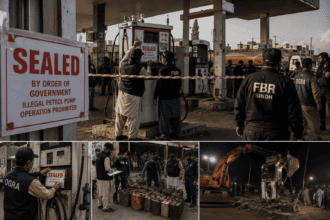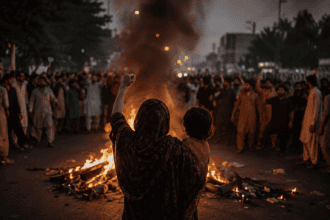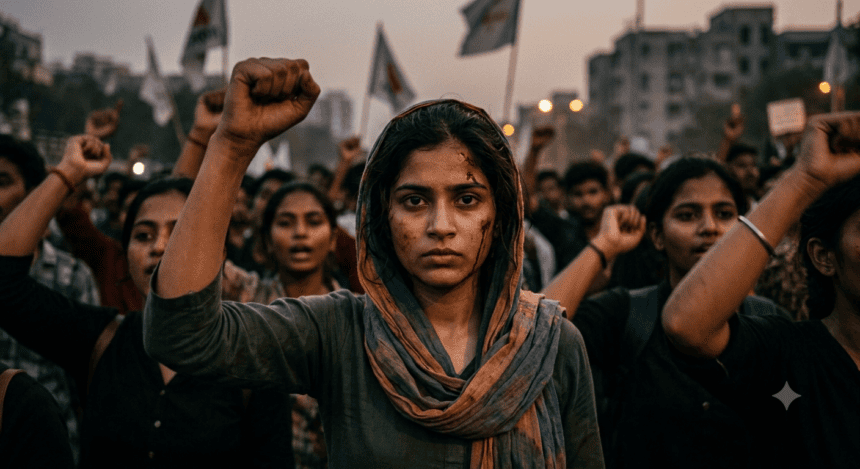
The rubber bullets and water cannons haven’t worked. Across India’s university campuses and city squares, the young generation is refusing to disperse. They are met with heavy-handed police tactics and mass detentions, yet the momentum of these demonstrations is growing, not fading.
Students are the engine of this unrest. They don’t have the political machinery of the opposition, nor the financial backing of established unions. What they have is a collective refusal to accept the current trajectory of national policy. When police charge into libraries or drag students from dormitories, the result isn’t silence—it’s a surge in recruitment for the next demonstration.
The state’s response has been predictable. Authorities deploy riot police, shut down internet access in flashpoint districts, and issue warnings about “anti-national” elements. These tactics, once effective at dampening public dissent, now serve as fuel. For a twenty-year-old student in Delhi or Kolkata, the sight of a baton-wielding officer is no longer a deterrent; it’s a catalyst.
“We aren’t afraid of the bruises anymore,” said one student leader from Jawaharlal Nehru University, who asked to remain anonymous for fear of arrest. “The fear wore off the moment we realized our future was being negotiated behind closed doors without us.”
The economic stakes weigh heavily on the movement. These protesters aren’t just fighting for ideological shifts; they are fighting for a job market that is shrinking and an education system they claim is becoming increasingly exclusionary. The disconnect between government rhetoric regarding a “rising India” and the reality of mounting youth unemployment is the friction point driving these crowds into the streets.
Critics of the government argue that the crackdown is a sign of weakness, not strength. By choosing force over dialogue, the administration has effectively closed the door on a peaceful resolution. When the state treats its own students as a threat to national security, it forces those students to adopt the tactics of a resistance.
The protests have reached a point where the government can no longer ignore them, yet it refuses to engage. The silence from the top is deafening. For the thousands of students currently occupying public spaces, the strategy is simple: stay visible, stay loud, and wait for the administration to blink.
As the standoff enters its next phase, the physical toll on the protesters is mounting. Hospital wards in major cities have seen a steady stream of students treated for head wounds and respiratory distress from tear gas. But as the bandages come off, the placards go back up. The government is betting on exhaustion; the students are betting on time.