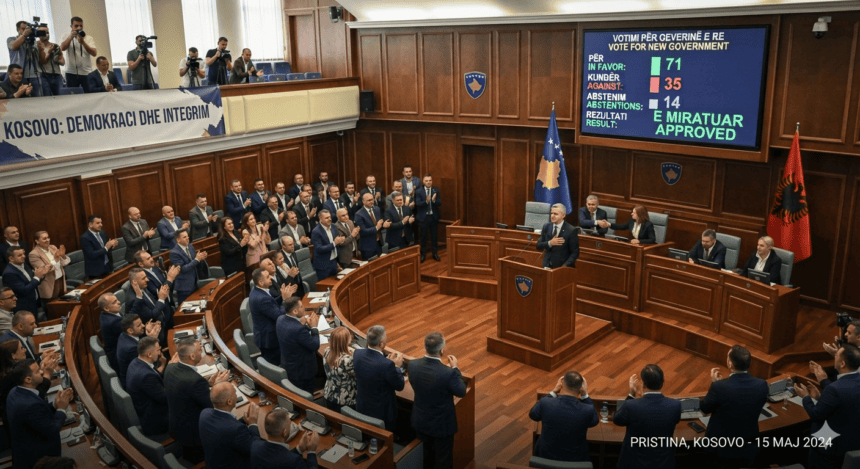
Pristina’s parliament ended months of paralysis today, voting in a new coalition government. The move concludes a grueling period of legislative gridlock that had effectively stalled the Balkan nation’s reform agenda and strained ties with Western allies.
Lawmakers backed the cabinet late Thursday, narrowly clearing the threshold required to end the vacuum. The new administration faces an immediate, heavy lift: navigating a fragile economy, high unemployment, and the persistent, sensitive negotiations over normalizing relations with Serbia.
The political impasse began after last year’s elections failed to produce a clear mandate. For months, parties bickered over ministerial portfolios and policy direction, leaving the country without a functional executive. The delay wasn’t just a matter of parliamentary procedure; it froze critical infrastructure projects and slowed the disbursement of international financial aid.
“We have lost enough time,” said the newly appointed Prime Minister during his opening address. He promised to prioritize judicial reforms and anti-corruption measures — steps long demanded by Brussels as a prerequisite for European Union integration.
Skeptics remain, however. Opposition leaders have already criticized the coalition’s composition, labeling it a “marriage of convenience” designed more for survival than for effective governance. Critics point to the thin majority, arguing that any internal dissent within the coalition could trigger fresh elections within the year.
The international community is watching closely. Washington and Berlin, both heavy investors in Kosovo’s state-building efforts, have signaled that patience for internal squabbling is wearing thin. Diplomats expect the new government to return to the negotiating table with Belgrade immediately, a process that has been dormant since the political crisis took hold.
For the average citizen in Pristina, the relief of having a functioning government is tempered by reality. With inflation biting and young people continuing to emigrate in search of work, the new cabinet has a narrow window to prove it can deliver.
The government’s first test arrives Monday: a budget vote that will determine whether this coalition can actually pass legislation, or if it remains trapped in the same gridlock that paralyzed its predecessors.