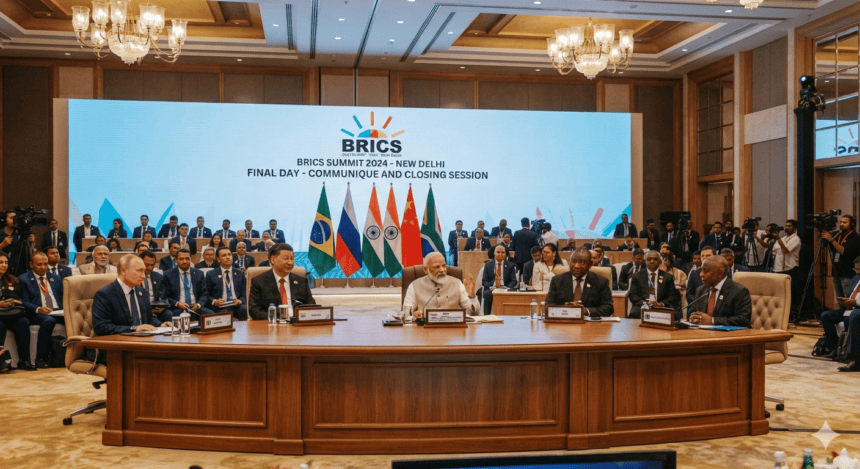
BRICS leaders push for new ecNEW DELHI — The BRICS summit concludes today, leaving a clear message for the West: the group intends to redraw the map of global finance.
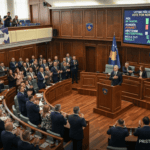
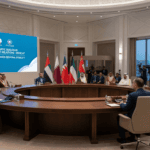
Inside the summit hall, the mood shifted from formal diplomacy to tactical planning. Member states are moving beyond rhetoric, focusing on the development of a shared payment system designed to bypass the U.S. dollar. For the leaders present, this isn’t just about trade—it’s about insulating their economies from Western sanctions.
“We are not building a club, we are building a foundation,” one senior delegate told reporters on the sidelines of the event. He declined to be named, citing the sensitive nature of the ongoing negotiations.
The shift is palpable. While the G7 remains focused on existing alliances, the BRICS bloc is rapidly expanding its reach. New Delhi has served as the stage for this expansion, with the bloc now representing nearly half of the world’s population. Behind the closed-door sessions, the conversation centered on the New Development Bank (NDB) and how to increase its lending capacity without relying on traditional Western credit markets.
Not everyone is convinced. Economists point to the glaring internal friction between India and China—two of the bloc’s most influential members—as a potential bottleneck. Their ongoing border disputes have forced organizers to carefully manage the optics of the summit, keeping the focus on economic integration rather than political friction.
The final communique, expected later this afternoon, will likely include a roadmap for local currency settlement. It’s a move that, if implemented effectively, could change how energy and commodity contracts are settled across the Global South.
As the delegations pack their bags and head to the airport, the real work begins. The promise of an alternative financial architecture sounds good in a plenary session, but the logistics of implementation remain a hurdle that could define the bloc’s success—or its slow collapse—in the coming decade.