Karachi’s coastal belt faces an existential threat, but the solution is already rooted in the mud. Junaid Anwar, addressing a seminar on environmental sustainability, identified mangroves as the primary defense mechanism against the rising tide of shoreline erosion and urban flooding.
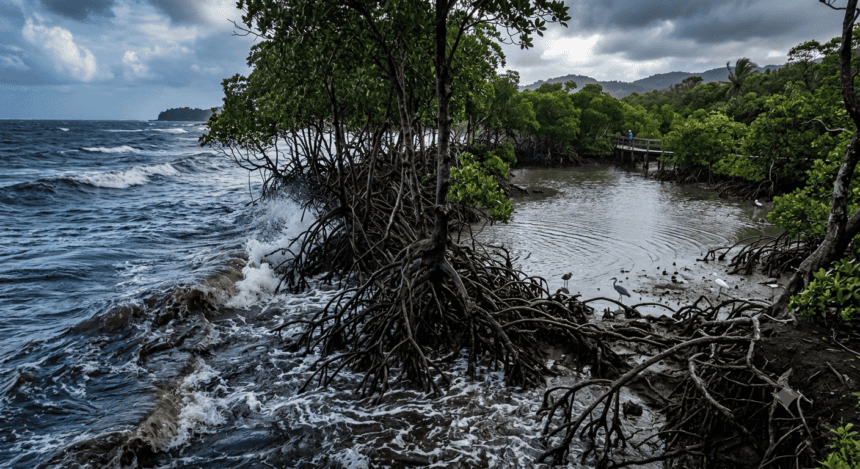
“We are looking for expensive engineering fixes while the most effective barrier is being cleared for development,” Anwar told an audience of environmentalists and urban planners. He argued that the dense root systems of mangrove forests act as natural breakwaters, absorbing the impact of storm surges and stabilizing sediment that would otherwise be lost to the Arabian Sea.
The data supports his assessment. Mangroves dissipate wave energy, significantly reducing the reach of floodwaters during monsoon surges. Without these forests, the coastline loses its natural buffer, leaving urban centers—and the infrastructure connecting them—vulnerable to rapid degradation.
Yet, the city’s mangroves are under constant pressure from illegal settlements and industrial encroachment. Anwar pointed to the paradox of modern planning: policymakers prioritize concrete seawalls that often exacerbate erosion in adjacent areas, ignoring the self-repairing, carbon-sequestering benefits of the mangrove ecosystem.
His stance highlights a shift in environmental policy advocacy. Rather than viewing the coastline as a blank slate for construction, he insists that protecting the existing green belt is a matter of national security. When the mangroves recede, the frequency and intensity of tidal flooding increase, directly impacting the livelihoods of fishing communities and the safety of port operations.
The challenge remains in enforcement. While environmental regulations exist on paper, the physical destruction of these forests continues at the fringes of the city.
“Nature isn’t asking for a budget to protect us,” Anwar noted. “It’s only asking to be left alone.”