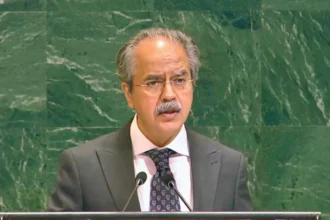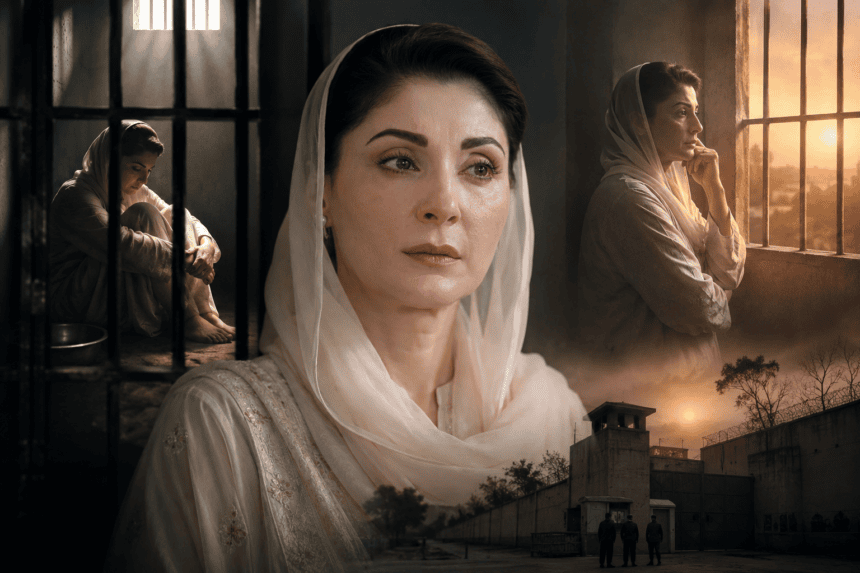
Maryam Nawaz revisited her time behind bars this week, describing her incarceration at Adiala Jail as a period of profound personal struggle. The Punjab Chief Minister, speaking at a public forum, spoke of the emotional toll of being separated from her family during the 2018 corruption proceedings.
She recounted the ordeal of being confined within the walls of the Rawalpindi facility while her father, former Prime Minister Nawaz Sharif, faced similar conditions in a separate cell. For Maryam, the experience wasn’t just about the loss of liberty; it was the persistent uncertainty regarding her family’s well-being that defined those months.
“It was a difficult time,” she told the audience, her tone shifting from political discourse to a more personal recollection. She described the isolation, the clinical nature of the jail environment, and the psychological weight of knowing her father was just down the hall, yet entirely inaccessible.
Her remarks come at a time when the political climate in Pakistan remains volatile, with current opposition figures facing their own legal battles in the same facility. Critics often argue that prison conditions in Pakistan reflect broader systemic failures, but for Maryam, the memory serves as a reminder of the personal cost of political life.
She stopped short of detailing the specific legal strategies used during her defense, focusing instead on the human element of the experience. Her supporters view these reflections as a way to humanize her political image, while opponents often frame such accounts as carefully curated narratives designed to garner public sympathy.
Despite the intensity of those days, she signaled no intent to dwell on the past. Her focus, she insisted, remains on the current administrative challenges facing Punjab.
The political landscape in Lahore has shifted significantly since 2018, yet the shadow of Adiala remains a recurring theme in the rhetoric of the Sharif family. Whether these reflections influence her current policy decisions or her approach to governance, the memory of her time in custody continues to shape her public identity.