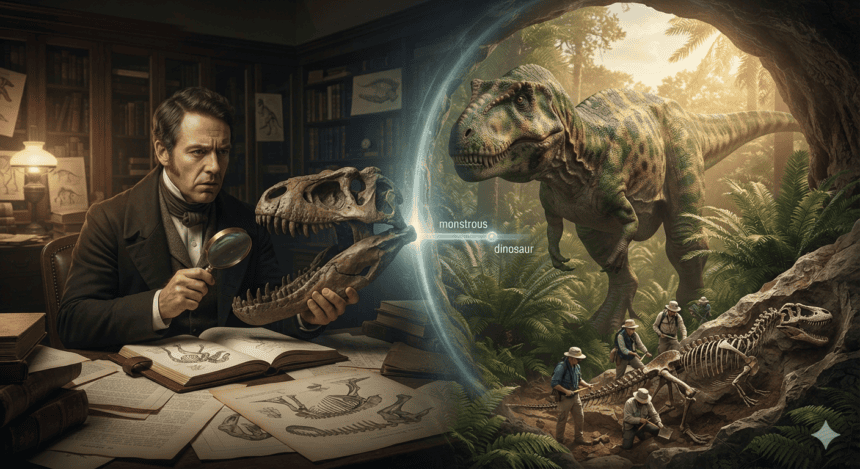
Megalosaurus holds a unique place in scientific history as the first dinosaur to be formally named, marking a turning point in the field of paleontology. The discovery of its fossil remains in England during the early 19th century helped lay the foundation for the scientific study of dinosaurs and prehistoric life.
Megalosaurus lived during the Middle Jurassic Period, around 166 million years ago. It was a large carnivorous dinosaur, measuring approximately 6 to 9 meters (20–30 feet) in length, with powerful hind legs, sharp serrated teeth, and strong jaws designed for hunting.
The dinosaur was officially described and named in 1824 by British geologist William Buckland, becoming the first scientifically recognized dinosaur species. Its discovery inspired scientists to search for other prehistoric reptiles, eventually leading to the creation of the term “Dinosauria” by Sir Richard Owen in 1842.
Modern fossil research and advanced imaging techniques have provided new insights into Megalosaurus’ anatomy and lifestyle. Scientists believe it was an active predator that hunted medium-sized dinosaurs and other prehistoric animals living in forests and river valleys.
Researchers also continue to study Megalosaurus to better understand the early evolution of large theropod dinosaurs. Every new fossil discovery contributes valuable information about how these ancient predators adapted and diversified during the Jurassic Period.
Experts say Megalosaurus remains one of the most historically significant dinosaurs, not only because of its impressive size but also because its discovery forever changed humanity’s understanding of Earth’s prehistoric past.