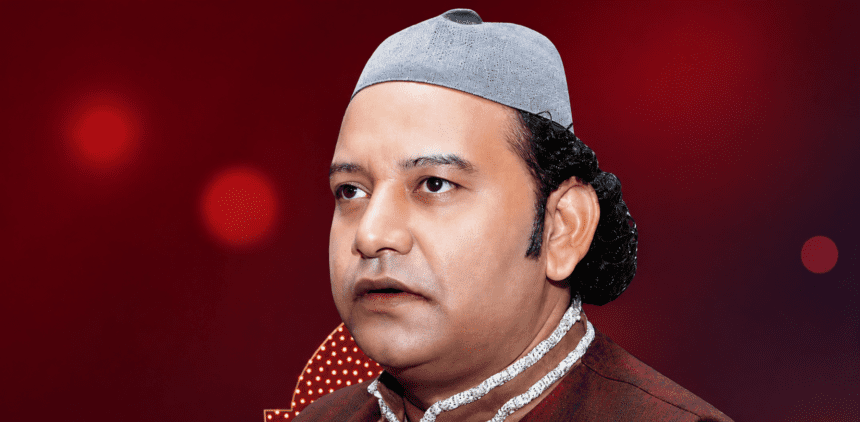
Pakistani Sufi singer and qawwal Nazir Ejaz Faridi, widely known in devotional music circles for his performances linked to the Baba Farid tradition, has died after a prolonged illness, according to a report published Thursday by Daily Aaj. The outlet said Faridi died in Pakpattan after being ill for some time and undergoing treatment.
Faridi was not a mainstream pop celebrity in the usual sense, but in the world he belonged to, he was unmistakably a known voice. His name has circulated for years across qawwali mehfils, shrine performances and Punjabi-Sufi recordings, especially pieces tied to reverence for Baba Farid Ganj Shakar. A large online archive of his work shows just how deep that footprint runs: recordings under his name have drawn millions of views, with popular titles including “Main To Cham Cham Nachun Morey Khawaja Ghar Aye,” “Mainu Paar Laga Meeran,” and “Aayo Re Morey Angna Moinuddin.”
The available public record suggests Faridi’s artistic identity was closely tied to Pakpattan, the historic city associated with the shrine of Baba Farid. Older and more recent online postings repeatedly place him in that devotional landscape, including performance references from Pakpattan and material shared under pages using his full name, Nazir Ejaz Faridi.
That context matters, because singers like Faridi often built reputations outside the formal music industry. Their careers lived in shrines, annual urs gatherings, local stages, recordings passed from hand to hand, and now YouTube channels that preserve voices long after live mehfils end. In Faridi’s case, those uploads show a performer with staying power; some recordings attributed to him date back many years, while others were still appearing online in 2025 and 2026, suggesting he remained part of the circuit well into recent months.
For admirers of Punjabi and Sufi devotional music, the loss is likely to feel personal. Faridi’s repertoire, judging from the recordings most associated with him, leaned heavily into praise poetry, manqabats and shrine-centered qawwali that connected strongly with audiences in Punjab and beyond. It was the kind of singing built less around celebrity branding and more around spiritual attachment.
As of Thursday, broad independent reporting on his death still appeared limited in major indexed outlets, so some details about his final illness, funeral arrangements and family statements were not immediately clear from the publicly available sources reviewed for this article. What is clear is that Nazir Faridi leaves behind a substantial recorded legacy and a name still recognized wherever South Asian Sufi qawwali is heard with devotion rather than fashion.