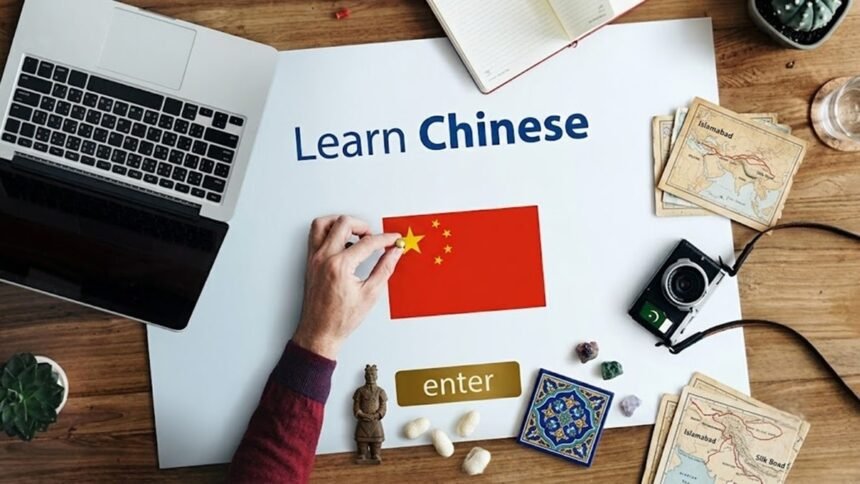
Islamabad: A new experimental Chinese language and culture course has been launched in Islamabad to promote cultural understanding and strengthen people-to-people ties between Pakistan and China. The initiative was inaugurated under the theme “The Language of the Eastern Silk Road – Bridging China and Pakistan, Celebrating Shared Cultural Splendor.”
The course was launched at the Department of Archaeology and Museums (DoAM), with Federal Minister for National Heritage and Culture Aurangzeb Khan Khichi attending the opening ceremony as chief guest. The programme has been organised by the China Cultural Center in Pakistan and the Department of Archaeology and Museums, with the Pakistan-China Cultural and Economic Promotion Association serving as co-organiser.
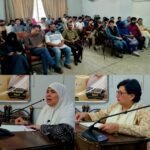
Around 50 Pakistani and Chinese participants, including students and staff, are taking part in the programme. The four-day course is designed to provide participants with an introduction to the Chinese language while also giving them practical exposure to different aspects of Chinese culture.
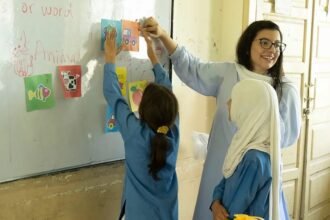
Participants will learn basic Chinese greetings, self-introductions, numbers and commonly used everyday expressions. The programme is intended to help young Pakistanis communicate more effectively with Chinese counterparts and develop a better understanding of Chinese society and traditions.
However, the initiative goes beyond language instruction. Participants will also be introduced to Chinese calligraphy, traditional festivals, cuisine and other elements of Chinese cultural heritage. Organisers believe these activities can help young people develop a deeper appreciation of China’s history, traditions and cultural diversity.
Speaking at the ceremony, Minister Aurangzeb Khan Khichi highlighted the importance of cultural and language exchange in strengthening relations between the two countries. He said that while Pakistan-China cooperation already extends across political, economic and infrastructure sectors, people-to-people contacts and cultural exchange form an important foundation of the relationship.
The minister described language as a bridge between civilizations, emphasizing that learning another country’s language can help people understand its national character, traditions and cultural values more closely. He encouraged participants to use the experience to become ambassadors of friendship between Pakistan and China.
Chinese Cultural Counsellor Chen Peng also highlighted the wider potential of cultural cooperation. He said China was willing to share its experience and technology in cultural heritage preservation with Pakistan while respecting and learning from Pakistan’s own traditions.
According to Chen Peng, future cooperation could include areas such as 3D scanning, digital modelling, digital preservation of museum collections and archaeological research. He also referred to plans for a heritage laboratory in Taxila in cooperation with Peking University.
The programme is therefore expected to serve not only as a short-term language course but also as a platform for longer-term cultural exchange between Pakistani and Chinese youth. Organisers hope that such initiatives will encourage greater interaction among students, researchers and cultural professionals from both countries.
The launch also comes amid growing educational and professional cooperation between Pakistan and China. Chinese-language learning has become increasingly relevant for Pakistani students and professionals seeking academic opportunities, employment, business links and interaction with Chinese institutions.
The organisers believe that stronger language skills can make communication easier in educational, cultural and professional settings. By combining language instruction with practical cultural experiences, the new course aims to give participants a more complete understanding of China.
The initiative is being viewed as another step toward strengthening Pakistan-China people-to-people relations, particularly by involving young participants in direct cultural and educational exchange.