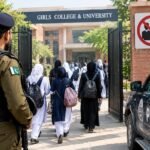
ISLAMABAD — Pakistan and New Zealand are moving to sharpen their bilateral cooperation, specifically targeting the education and vocational training sectors. The commitment follows recent high-level discussions aimed at aligning Pakistan’s labor force with international market standards.
For years, Pakistan has struggled to bridge the gap between its domestic curriculum and the technical demands of global industries. New Zealand, meanwhile, maintains a specialized focus on vocational education and sustainable training frameworks. Officials from both sides confirmed the partnership will prioritize teacher training, curriculum development, and technical exchange programs.
The move isn’t just about academic collaboration; it’s a strategic play for Pakistan’s youth. With a massive demographic bulge, the government is scrambling to create pathways for skilled migration and remote professional integration. New Zealand’s expertise in “Competency-Based Training” (CBT) offers a template Islamabad has been eager to adopt.
“We aren’t just looking at degree swaps,” a senior official from the Ministry of Federal Education said. “We need our technical institutes to mirror the quality standards that New Zealand has perfected over the last decade.”
The framework includes potential scholarship expansions for Pakistani students in agricultural and environmental sciences—fields where New Zealand holds a distinct global edge. These sectors are critical for Pakistan as it attempts to modernize its own agrarian economy in the face of shifting climate patterns.
The partnership also addresses the “brain drain” concern. By formalizing these training pathways, the goal is to create a structured migration process that benefits both the host country’s labor market and the individual’s professional growth.
While the exact fiscal details of the cooperation remain under wraps, both nations have agreed to establish a joint working group. This body will meet quarterly to track progress on vocational certification and ensure the initiatives don’t get lost in bureaucratic red tape.
For now, the focus remains on the pilot phase, which is expected to roll out in select technical colleges across Punjab and Khyber Pakhtunkhwa by the end of the year. Whether this translates into tangible employment gains for Pakistani graduates depends on how quickly these standards can be integrated into the local classroom.