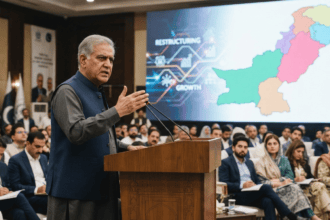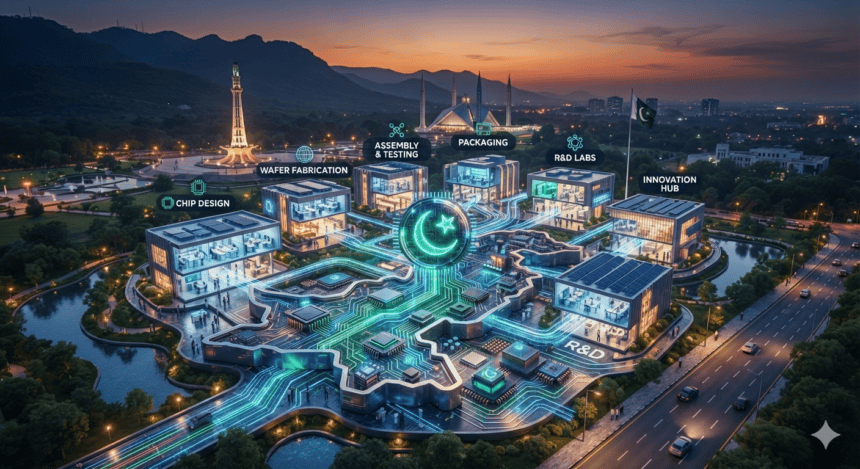
Pakistan’s Ministry of IT and Telecommunication has finalized the framework for its first national semiconductor cluster, aiming to shift the country from a labor-exporting economy to a specialized tech manufacturing hub. The plan, drafted after months of consultation with industry stakeholders and global chip design firms, targets the integration of design, assembly, and testing facilities under one umbrella.
The government is betting that localizing semiconductor design—rather than just manufacturing—will insulate the sector from volatile global supply chains. Officials expect the cluster to provide a dedicated ecosystem for startups and multinational corporations to set up shop, leveraging tax incentives and specialized infrastructure that the current industrial zones lack.
Critics have long pointed to the absence of a stable power supply and high operational costs as the primary hurdles for high-tech manufacturing in Pakistan. The new framework attempts to bypass these issues by designating the cluster as a “specialized zone,” promising uninterrupted energy and a streamlined regulatory environment. Whether the state can actually deliver this infrastructure, however, remains the central question for investors who have watched similar projects stall in the past.
The global semiconductor market is currently valued at over $500 billion, and Pakistan’s share is virtually non-existent. By carving out a niche in chip design and specialized packaging, the government hopes to capture a small but lucrative slice of that pie. Success depends heavily on the availability of a skilled workforce; the ministry claims it is already partnering with local engineering universities to align curricula with the specific needs of semiconductor firms.
“We aren’t just looking for assembly lines,” a senior official involved in the project told reporters on condition of anonymity. “We want the intellectual property to stay here. That is the only way to make this sustainable.”
The framework is expected to move into the implementation phase by the next quarter, with initial pilot programs focusing on design centers in Islamabad and Lahore. If the government hits its internal targets, the first batch of specialized semiconductor graduates—and the first wave of local design prototypes—should hit the market within 24 months.
For now, the policy exists on paper. The real test starts when the first power line is laid and the first foreign firm signs a lease.