ISLAMABAD — Pakistan stands to become the primary beneficiary of any international policy shifts that allow Iran to legally export its oil and gas to global markets, according to Khurram Shahzad, an advisor to the Ministry of Finance. Speaking during an appearance on the ARY News morning program Bakhabar Savera, Shahzad explained that easing international sanctions on Iran and integrating it back into the global energy architecture would fundamentally reshape regional supply dynamics. He noted that such a development would unlock unprecedented energy cooperation and establish highly efficient trade routes, though he cautioned that the practical realization of these cross-border frameworks would require time.
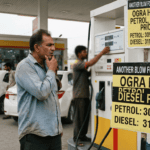
Addressing public demands regarding the domestic transfer of economic relief, the finance advisor highlighted that the federal administration has already initiated a phased alignment of domestic fuel prices with declining international crude benchmarks. Over the past three weeks, the government has executed multiple downward adjustments at the pumps. These interventions include an initial cut of approximately Rs22 per liter, a subsequent reduction of Rs10 to Rs12 per liter, and a recent adjustment of Rs4 per liter for both petrol and diesel.
Shahzad clarified that local fuel pricing remains vulnerable to wider supply chain variables and maritime infrastructure constraints. He specifically cited Pakistan’s reliance on major energy import routes like the Strait of Hormuz, emphasizing that any regional disruption or logistical friction delays the speed at which global price drops reach local consumers. Furthermore, he explained that domestic pricing models track refined petroleum product indicators rather than crude oil prices alone, as the two do not always maintain a direct market correlation.