A new fossil study has provided scientists with fresh insights into Triceratops, one of the most iconic herbivorous dinosaurs of the Late Cretaceous Period. The latest research is helping paleontologists better understand the dinosaur’s anatomy, growth, behavior, and defensive adaptations that allowed it to survive nearly 66 million years ago.
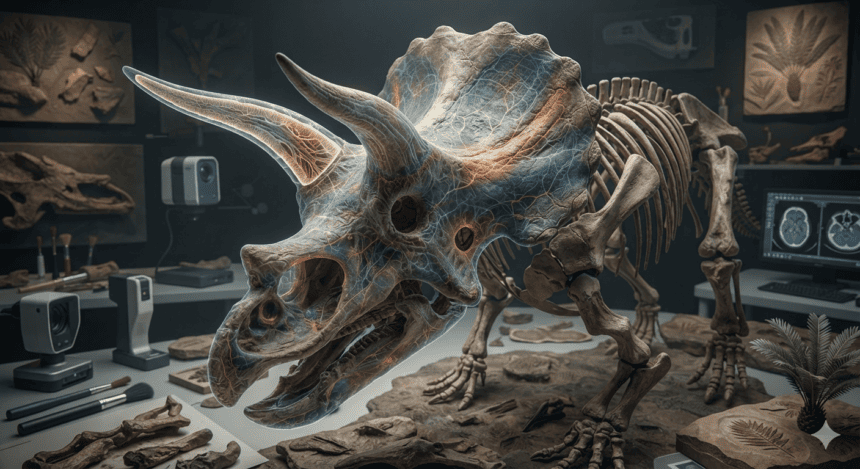
Researchers examined newly discovered fossil skulls, horns, and skeletal remains using advanced CT scanning, 3D digital reconstruction, and biomechanical analysis. The findings suggest that Triceratops experienced significant changes as it matured, with its horns becoming larger and its massive neck frill growing thicker and stronger throughout its life.
The dinosaur’s name, Triceratops, means “three-horned face.” Adults measured up to 9 meters (30 feet) in length, stood about 3 meters (10 feet) tall, and could weigh between 6 and 12 tonnes, making them among the largest plant-eating dinosaurs of their time.
Scientists believe Triceratops used its two long brow horns and smaller nose horn not only to defend itself against predators such as Tyrannosaurus rex, but also during competition with other Triceratops. Fossil evidence showing healed injuries on skulls suggests that individuals may have locked horns in battles for territory or mates.
The study also highlights the dinosaur’s powerful beak and hundreds of tightly packed teeth, which allowed it to efficiently cut and chew tough prehistoric vegetation, including ferns, cycads, and palm-like plants. Its specialized dental batteries continuously replaced worn teeth throughout its lifetime.
Researchers say the large bony frill behind the skull may have served several purposes, including protecting the neck, supporting powerful jaw muscles, displaying health and maturity, and helping individuals recognize members of the same species.
Scientists emphasize that each new fossil discovery improves our understanding of dinosaur evolution, behavior, and prehistoric ecosystems. Future excavations and modern imaging technologies are expected to reveal even more about how Triceratops lived during the final chapter of the age of dinosaurs.