Pakistan’s push to bring the unbanked into the formal economy is finally yielding measurable results. New data from the State Bank of Pakistan (SBP) confirms that digital account openings and micro-financing penetration are outpacing previous annual targets, marking a departure from years of stagnant growth in the sector.
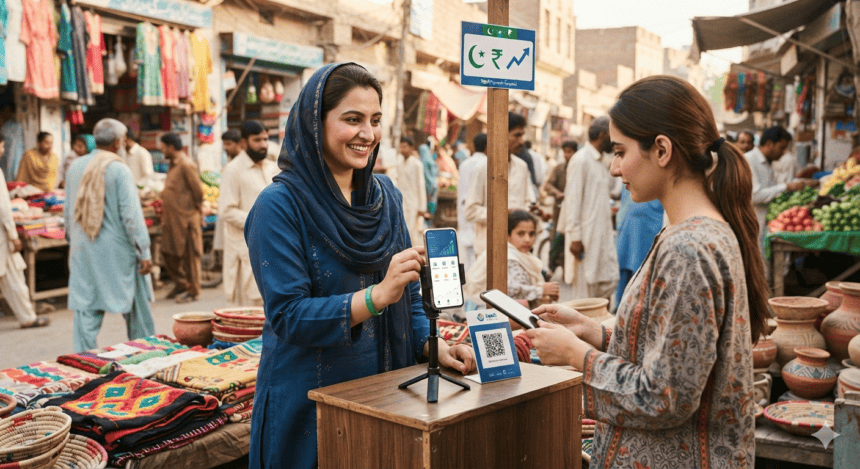
The numbers tell the story. Over the last fiscal year, the total number of branchless banking accounts surged past 100 million, a threshold experts once thought would take another two years to reach. This expansion isn’t just about raw numbers; it’s about access. Small-scale farmers and rural shopkeepers, previously reliant on cash-only transactions, are now utilizing mobile wallets for daily operations.
The shift is driven largely by the aggressive adoption of the Raast instant payment system. By removing transaction fees and simplifying the onboarding process, the central bank has effectively lowered the barrier to entry. For a street vendor in Lahore or a laborer in Karachi, the difference between a traditional bank branch and a smartphone app is now the difference between participating in the economy or remaining on the sidelines.
Despite the progress, the “last mile” remains a hurdle. Financial literacy hasn’t kept pace with technology. While people are downloading apps, many still lack the understanding to secure their accounts or leverage credit products effectively. Industry analysts point out that digital infrastructure is only half the battle; without a comprehensive education campaign, the risk of digital fraud could undo the gains made in user trust.
Commercial banks are also changing their tune. Once hesitant to serve low-income segments due to high operational costs and low margins, they are now racing to integrate with fintech providers. They see the data trail—the spending habits of millions of previously invisible citizens—as a goldmine for future lending products.
The government’s National Financial Inclusion Strategy (NFIS) was launched with the goal of increasing access to 50% of the adult population by 2025. With current adoption rates trending upward, the country is well-positioned to meet, and potentially exceed, that target.
The real test, however, lies in sustainability. As the SBP prepares for the next phase of its digital rollout, the focus is shifting from simply opening accounts to ensuring those accounts remain active. Access is the first step; usage is the true metric of a modernized economy.