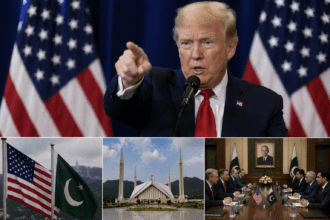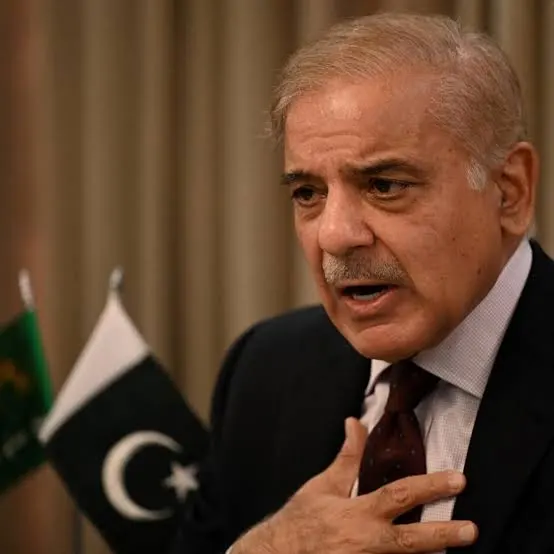
Prime Minister Shehbaz Sharif marked the first anniversary of the ‘Markaz-i-Haq’ declaration today, framing the event as a turning point in Pakistan’s diplomatic and security posture toward India. Speaking at an event in Islamabad, the Prime Minister revisited the decision-making process during last year’s border tensions, labeling the state’s reaction as a “historic assertion of sovereignty.”
The anniversary centers on the government’s response to what it termed an unprovoked escalation along the Line of Control (LoC) this time last year. At the time, the administration faced intense domestic pressure to abandon its policy of “restraint” in favor of a more aggressive military stance. Instead, Shehbaz Sharif’s cabinet opted for a calibrated response, combining precise tactical maneuvers with high-level international lobbying to isolate the narrative being pushed by New Delhi.
“We didn’t just react; we recalibrated the entire regional dialogue,” the Prime Minister told the gathering. He described the response as a calculated gamble that prevented a full-scale conflict while forcing global observers to acknowledge the volatility of the disputed territory.
For the incumbent government, the anniversary serves a dual purpose. It reinforces the image of a decisive leadership capable of handling external threats, while simultaneously addressing critics who previously accused the administration of being too soft on foreign policy issues.
However, the opposition views the commemoration differently. Critics argue the “historic response” was little more than a carefully curated PR campaign designed to distract from the country’s ongoing domestic economic crisis. They point to the fact that while the government touts its diplomatic victory, the underlying issues regarding trade and cross-border security remain largely unchanged.
Security analysts remain divided on the long-term impact. While the government claims the events of last year restored a sense of national dignity, the reality on the ground—characterized by intermittent skirmishes and a frozen diplomatic channel—suggests that the “Markaz-i-Haq” response may have bought time, but it hasn’t solved the core structural tension between the two nuclear-armed neighbors.
As the government doubles down on this narrative, the true test will be whether this assertive stance can translate into a sustainable regional framework or if it remains merely a symbolic victory in a cycle of perpetual rivalry.