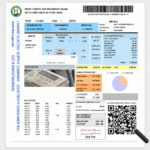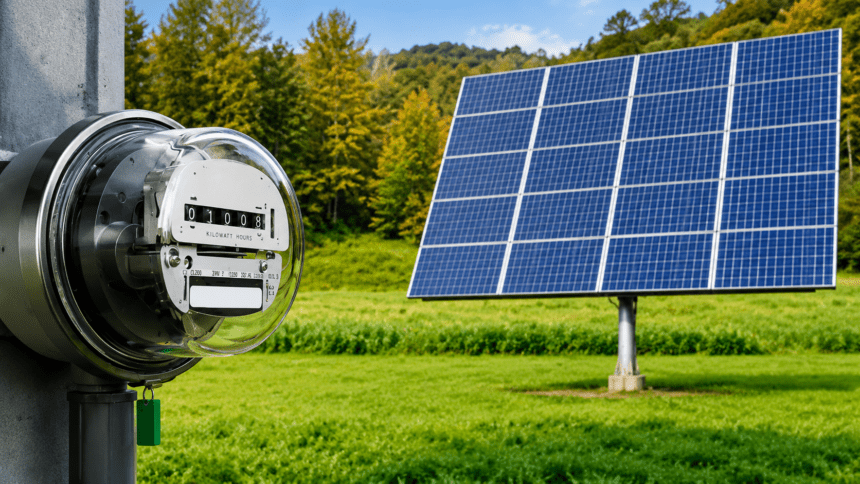
Pakistan’s Power Division has ordered electricity distribution companies to clear 1,355 pending solar net-metering applications within 10 days, after taking what officials described as serious notice of delays in energising consumer connections. The deadline, according to reports citing an official order, effectively sets June 1, 2026 as the target for clearing the backlog.
The order lands at a sensitive moment for the country’s fast-growing rooftop solar market. Net metering has become one of the few practical ways households and small businesses can cut electricity bills, so delays in approvals don’t just create paperwork problems; they leave applicants stuck after investing heavily in panels, inverters and installation. Recent coverage says the Power Division also warned that officials responsible for avoidable delays could face action affecting their performance incentives.
What makes this more than a routine administrative directive is the backdrop. Pakistan’s solar consumers have spent months dealing with policy uncertainty, mixed messaging and rising anxiety over whether the state still wants to encourage distributed solar. The current regulatory framework has changed materially: NEPRA’s Prosumer Regulations, 2025 repealed the older 2015 net-metering regulations, replacing the earlier regime with a new structure for distributed generation and prosumers.
That policy shift has been politically charged. Reporting over the past year has pointed to government efforts to curb the financial burden that solar exports place on the conventional grid, with officials arguing that generous buyback arrangements were pushing costs onto non-solar consumers. Critics, meanwhile, have warned that sudden changes risk punishing households and businesses that turned to solar because grid electricity had become too expensive or unreliable.
Even so, the latest order suggests the government is trying, at least on the execution side, to separate policy reform from administrative paralysis. In plain terms: whatever the larger fight over tariffs, licensing and the future of rooftop solar, people whose applications are already pending should not be left hanging indefinitely. That seems to be the message coming out of Islamabad. Reports also note that the Power Division has, in earlier clarifications, said existing net-metering consumers would remain protected until the expiry of their agreements, while applications submitted before policy changes should not be treated unfairly.
There is another layer here, and it matters. NEPRA’s website continues to show fresh net-metering and prosumer concurrence activity across utilities in 2026, including listings for companies such as LESCO, IESCO, K-Electric and SEPCO. That indicates the approval machinery is still moving, but unevenly enough for the federal government to intervene over a backlog exceeding 1,300 cases.
For consumers, the real test is not the order itself but whether distribution companies actually meet the deadline. Pakistan’s power sector has a long history of directives that sound firm on paper and lose force in implementation. This time, though, the language appears sharper. With solar demand continuing to grow and public frustration building, the government likely knows it can’t afford another round of delay on such a visible issue.