By using this site, you agree to the Privacy Policy and Terms of Use.
Accept
Media HydeMedia Hyde
  • Home
  • Politics
  • Education
  • Entertainment
  • Sports
  • Blogs
  • Business & Commerce
  • Others
    • Religious
    • Metropolitan
    • Climate and Weather
Font ResizerAa
Media HydeMedia Hyde
Font ResizerAa
  • Home
  • Politics
  • Education
  • Entertainment
  • Sports
  • Blogs
  • Business & Commerce
  • Others
    • Religious
    • Metropolitan
    • Climate and Weather
Follow US
© 2026 Media Hyde Network. All Rights Reserved.
Business & Commerce

PPDA, SCBA slam fuel price hikes, say levy burden is pushing people and retailers to the edge

Last updated: May 10, 2026 2:45 pm
Yamna Shahid
Share
PPDA, SCBA slam fuel price hikes, say levy burden is pushing people and retailers to the edge
SHARE

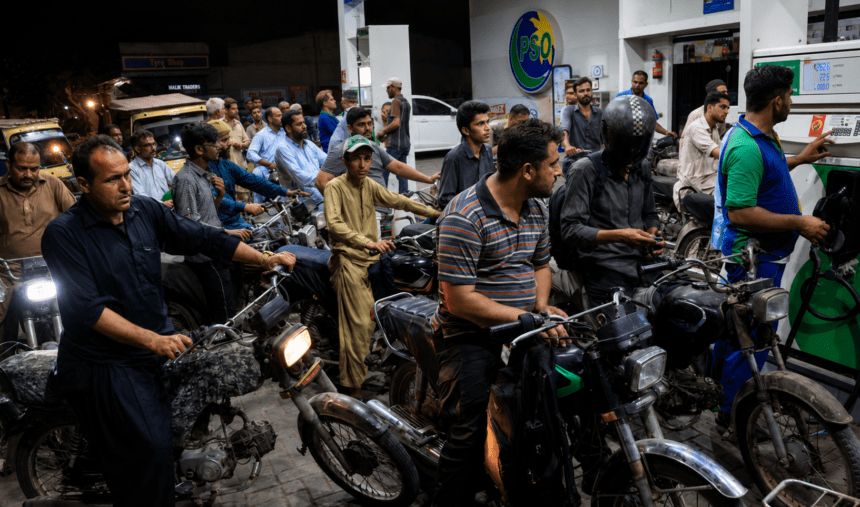
ISLAMABAD: Pressure is building on the government over Pakistan’s latest fuel price increases, with the Pakistan Petroleum Dealers Association and the Supreme Court Bar Association warning that the steady rise in petroleum prices, coupled with heavy levies, is making life harder for consumers and leaving fuel retailers under growing financial strain. Their criticism, voiced on Saturday, adds to a wider backlash that has been gathering pace in recent weeks.

At the heart of the dispute is the tax component built into fuel prices. In late April, the government raised the petroleum levy on petrol from Rs80 to Rs107.38 per litre, while total taxes on petrol were reported at roughly Rs135 per litre once other charges were included. That decision came alongside another increase in retail fuel prices, including a Rs6.59 per litre rise in petrol and a much steeper Rs19.39 jump in diesel, moves that sharpened public anger at a time when inflationary pressure is already biting into household budgets.

For the PPDA, this is not just a consumer issue. Dealers have been arguing for weeks that their business model is cracking under the weight of higher operating costs and stagnant margins. In April, dealer groups demanded that their margin be revised to 8 per cent of the invoice price, saying the existing fixed profit of Rs8 per litre was no longer enough to cover expenses. They also warned that, unless commissions were raised in line with fuel price increases, many outlets could become unviable and shutdown threats would grow more serious.

That frustration is not confined to Islamabad. Petroleum dealers in Khyber Pakhtunkhwa have already echoed the same complaint, insisting margins should be linked to fuel prices and warning of strike action if talks with the government fail. Dealers say the burden has worsened because they often have to buy fuel at sharply higher rates in advance, tying up more working capital while their per-litre earnings stay largely unchanged. It’s a simple squeeze: prices go up, costs rise, but margins don’t move enough to match.

The legal and political criticism has been gaining ground too. Separate petitions and public objections have challenged the recent pricing decisions, with critics questioning both the scale of the increases and the lack of a pricing mechanism people can easily understand. That broader discontent matters because fuel prices don’t stay at the pump; they spill into transport fares, goods movement, food prices and everyday business costs. In Pakistan, that chain reaction is familiar, and people feel it fast.

The government, for its part, has linked fuel pricing decisions to fiscal constraints and broader revenue needs, and Dawn has previously reported that petroleum levy adjustments have been used as part of wider efforts to manage budget pressures and energy-sector financing problems. That may explain the policy logic in Islamabad, but politically it’s proving costly. For ordinary motorists, traders and pump owners, the distinction between fiscal necessity and public pain is getting harder to sell.

What happens next will depend on whether the government moves to ease the levy burden, revisits dealer commissions, or simply stays the course. Right now, though, the message from both the PPDA and the SCBA is pretty blunt: rising fuel prices are no longer just an economic issue on paper. They’ve become a daily pressure point, and one that is now drawing pushback from both the street and organised bodies that say the cost has gone too far.



Share This Article
Email Copy Link Print
Previous Article Gas supply suspended after pipeline damaged in Karachi Red Line construction Gas supply suspended after pipeline damaged in Karachi Red Line construction
Next Article Sindh Chief Minister Reviews Red Line Progress Amid Karachi Traffic Woes Sindh Chief Minister Reviews Red Line Progress Amid Karachi Traffic Woes
Leave a Comment

Leave a Reply Cancel reply

Your email address will not be published. Required fields are marked *

Sponsored Ads

Stay Connected

FacebookLike
XFollow
InstagramFollow
YoutubeSubscribe
WhatsAppFollow
ThreadsFollow
Sonia Gandhi Recalls
In Interview, Sonia Gandhi Recalls Love and Loss in India
Breaking
November 11, 2026
DSP Among 12 Policemen Injured in Firing During Kohat Gold Mining Operation
Blog
November 11, 2026
Hospitals Brace for Medicaid Work Rules and Deep Funding Cuts
Blog
November 11, 2026
Kenya Discharges
Kenya Discharges Last Ebola Patient in Major Milestone Towards Virus-Free Status
Breaking
November 11, 2026
What Makes Modern Online Casinos So Popular
Blog
November 11, 2026
Spotify Review 2026
Blog
November 11, 2026

You Might Also Like

Pakistan central bank cuts policy rate by 100bps to 11%
Business & Commerce

Pakistan central bank cuts policy rate by 100bps to 11%

By
Mabruka Khan
How Global Oil Markets Defied War Projections: Why Brent Crude Stayed Below Record Highs Despite Middle East Conflict
Business & Commerce

How Global Oil Markets Defied War Projections: Why Brent Crude Stayed Below Record Highs Despite Middle East Conflict

By
Yamna Shahid
Finance Minister Muhammad Aurangzeb Unveils Growth-Oriented FY26-27 Budget, Cutting Super Tax for Corporate and Export Sectors
Business & Commerce

Finance Minister Muhammad Aurangzeb Unveils Growth-Oriented FY26-27 Budget, Cutting Super Tax for Corporate and Export Sectors

By
Yamna Shahid
Business & Commerceinternational

UAE slashes fuel prices for May 2026 as global oil markets cool

By
Ayan Ahmed
Media Hyde Media Hyde Dark
Facebook Twitter Youtube Rss Medium

About US

Media Hyde Network: Your instant connection to breaking stories and live updates. Stay informed with our real-time coverage across politics, tech, entertainment, and more. Your reliable source for 24/7 News.

Top Categories
  • Headline
  • Politics
  • Entertainment
  • Education
  • Sports
  • Religious
  • Metropolitan
  • Climate and Weather
Usefull Links
  • Contact Us
  • Disclaimer
  • Privacy Policy
  • Cookies Policy
  • Advertising Policy
  • Terms & Conditions

© 2025 Media Hyde Network. All Rights Reserved.

Welcome Back!

Sign in to your account

Username or Email Address
Password

Lost your password?