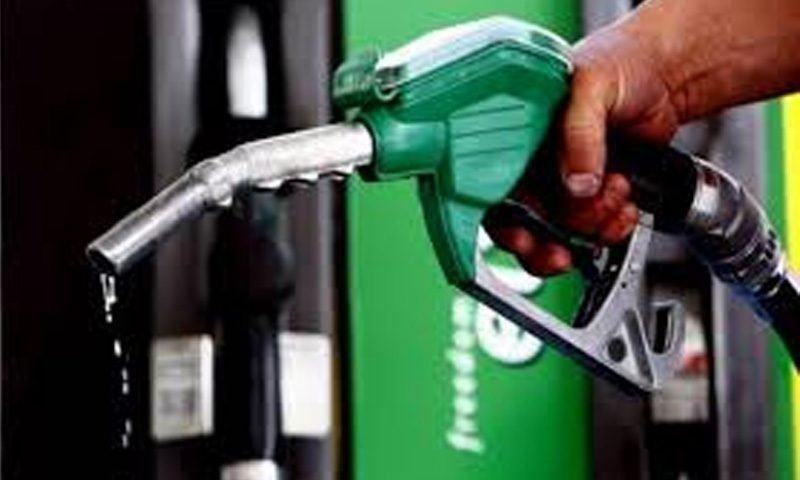
Drivers across the UAE will see relief at the pumps starting tomorrow. The Fuel Price Committee has announced a significant drop in rates for all petrol variants and diesel for May 2026, tracking a recent downward trend in international crude benchmarks.
The new rates, effective May 1, see Super 98 drop to AED 3.15 per litre, down from AED 3.28 in April. Special 95 will now cost AED 3.04, while E-Plus 91 has been set at AED 2.96. Diesel prices also saw a sharp correction, falling to AED 3.20 per litre from AED 3.35.
This is the second consecutive monthly price cut this year. For the thousands of commuters making the daily trek between Sharjah and Dubai, the savings aren’t just symbolic—they’re a tangible easing of monthly transport overheads.
The committee’s decision follows a volatile month for global oil. Brent crude, the international benchmark, struggled to stay above $80 a barrel throughout late April. Slowing manufacturing data from major global economies and a surprise build-up in US inventories have kept a lid on prices, despite ongoing geopolitical tensions that usually drive costs up.
“The market is finally pricing in a surplus,” says one regional energy analyst. “We’ve seen a steady supply flow that’s outpaced the projected demand for the second quarter. The UAE’s pricing mechanism simply reflects that reality on the ground.”
Since the UAE deregulated fuel prices in 2015, the monthly announcement has become a key economic indicator for residents and businesses alike. While the 2022-2023 period saw record highs, 2026 has so far been characterized by more manageable fluctuations.
Logistics companies and delivery fleets are the biggest winners here. With diesel dropping by 15 fils, operational costs for heavy transport will see a margin of breathing room that usually trickles down to consumer goods pricing—though that shift often takes longer to materialize.
The new prices go into effect at all gas stations across the country at midnight. Most residents will likely wait until the morning to take advantage of the lower rates, expecting the usual end-of-month queues to be shorter this time around given the clear downward trajectory.