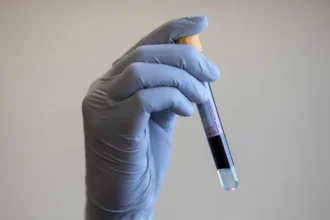
Many people visit a doctor only when they become sick.
But preventive healthcare works differently.
The purpose of routine screening is to identify certain diseases or risk factors before obvious symptoms appear.
High blood pressure, high cholesterol, diabetes and some cancers can develop silently. A person may feel completely healthy while an underlying problem is developing.
Regular checkups can therefore help identify risks earlier.
However, there is no universal medical checklist for everyone. Screening depends on age, sex, family history, lifestyle, previous medical conditions and individual risk factors.
Your 20s: Establish Your Baseline
Your 20s are a good time to begin taking preventive healthcare seriously.
A routine healthcare visit may include:
- Blood pressure measurement
- Weight assessment
- General physical examination
- Mental-health discussion
- Vaccination review
- Dental checkups
- Eye examination when necessary
- Sexual and reproductive health screening when appropriate
Blood Pressure
High blood pressure can develop without obvious symptoms.
That’s why checking it periodically is important even if you feel healthy.
Mental Health
Young adults can experience anxiety, depression, burnout and other mental health difficulties.
Discussing mental health with a healthcare professional is part of preventive care, not something to be embarrassed about.
Your 30s: Monitor Lifestyle-Related Risks
By your 30s, lifestyle factors can begin influencing long-term health.
Doctors may pay greater attention to:
- Blood pressure
- Cholesterol
- Blood sugar
- Weight
- Physical activity
- Diet
- Smoking
- Alcohol consumption
- Mental health
Family history becomes particularly important.
If close relatives developed heart disease, diabetes or certain cancers at a young age, your doctor may recommend earlier or more frequent screening.
Your 40s: Prevention Becomes Even More Important
The risk of several chronic diseases begins to increase with age.
Healthcare during this decade may include monitoring:
Heart Health
Blood pressure and cholesterol can help doctors estimate cardiovascular risk.
Diabetes
Diabetes screening may be appropriate depending on age and risk factors.
Cancer
Cancer screening schedules depend on the specific cancer and the person’s risk.
Women may need age-appropriate breast and cervical cancer screening.
Colorectal cancer screening is also increasingly important.
The U.S. Preventive Services Task Force recommends colorectal cancer screening for adults aged 45 to 75.
Your 50s: Pay Attention to Cancer and Chronic Diseases
During the 50s, preventive healthcare can become more comprehensive.
Depending on your circumstances, a doctor may discuss:
- Blood pressure
- Cholesterol
- Diabetes
- Colorectal cancer
- Breast cancer
- Cervical cancer
- Bone health
- Vision
- Hearing
- Cardiovascular health
This doesn’t mean everyone needs every test every year.
Some tests are performed at specific intervals, while others depend on individual risk.
Your 60s: Protect Independence
In your 60s, healthcare isn’t only about detecting diseases.
It’s also about maintaining independence.
Doctors may evaluate:
- Balance
- Strength
- Mobility
- Fall risk
- Vision
- Hearing
- Bone health
- Cardiovascular health
- Medication use
- Mental health
Maintaining muscle strength becomes increasingly important because muscle loss can affect mobility and increase fall risk.
After 65: Personalized Screening
Older adults often require more individualized preventive care.
Healthcare professionals may consider:
- Bone health
- Fall prevention
- Vision
- Hearing
- Blood pressure
- Diabetes
- Cancer screening
- Vaccinations
- Medication interactions
- Cognitive concerns
The benefits of some screening tests can change as a person gets older, so decisions should be made according to overall health rather than age alone.
Why Family History Matters
Age-based guidelines are useful, but family history can change the picture.
For example, a person whose close relative developed a certain cancer unusually early may need earlier screening.
Tell your doctor about major diseases in your immediate family.
Don’t Forget Dental and Eye Health
Preventive healthcare isn’t limited to blood tests.
Dental health is connected to overall well-being, while vision problems can develop gradually.
Regular dental and eye care can help detect problems before they significantly interfere with daily life.
Preventive Healthcare Is More Than Testing
Screening is only one part of prevention.
Healthy habits matter too.
These include:
- Eating a balanced diet
- Staying physically active
- Maintaining a healthy weight
- Avoiding tobacco
- Getting adequate sleep
- Managing stress
- Staying up to date with recommended vaccinations
Final Takeaway
The purpose of routine screening isn’t to search for something to worry about.
It is to identify preventable or treatable problems early.
The right schedule depends on your age, health history and risk factors. Instead of following a random list of tests, discuss your personal screening needs with a qualified healthcare professional.