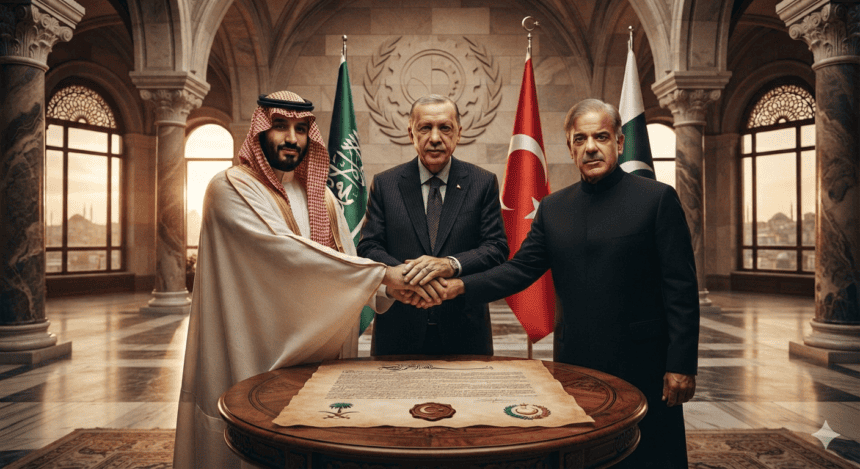
RIYADH — Saudi Arabia, Turkey, and Pakistan have formalized a new trilateral defense agreement, marking a significant realignment of military and strategic cooperation across the Middle East and South Asia. The pact, signed late Tuesday in Riyadh, aims to integrate defense industrial bases, share intelligence, and streamline joint military training exercises.
The deal moves beyond traditional diplomatic rhetoric, focusing instead on shared technology transfers and the co-production of unmanned aerial systems. For Pakistan, the agreement offers a necessary lifeline to modernize its aging defense infrastructure. For Turkey, it cements its role as a primary arms exporter to the Islamic world. For Saudi Arabia, the move signals a shift toward diversifying its security partnerships, reducing its long-standing reliance on Western-made hardware.
“This isn’t just a paper agreement,” a senior defense analyst based in Islamabad said. “The inclusion of Turkey means Pakistan gets access to NATO-standard technology, while Saudi Arabia provides the financial and strategic weight to make these projects commercially viable.”
Regional observers point to the rapid integration of drone technology as the centerpiece of the collaboration. Turkey’s Bayraktar program has reshaped modern battlefield tactics, and both Riyadh and Islamabad have expressed interest in domesticating that production. By pooling resources, the three nations intend to bypass the lengthy procurement hurdles often imposed by Western suppliers.
The pact also carries clear geopolitical undertones. By tightening these security ties, the three nations are positioning themselves as a more autonomous bloc, capable of responding to regional instability without waiting for directives from Washington or Brussels.
Yet, the deal faces significant hurdles. Integrating three distinct military doctrines and supply chains remains a logistical nightmare. Furthermore, the trio must balance this new alignment with their existing international commitments, particularly Saudi Arabia’s security guarantees with the United States.
The first joint military exercises are scheduled for early next year, with officials currently finalizing the location. Whether this alliance reshapes the regional balance of power depends on how quickly these nations move from signing ceremonies to actual hardware on the tarmac.