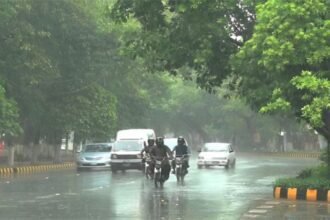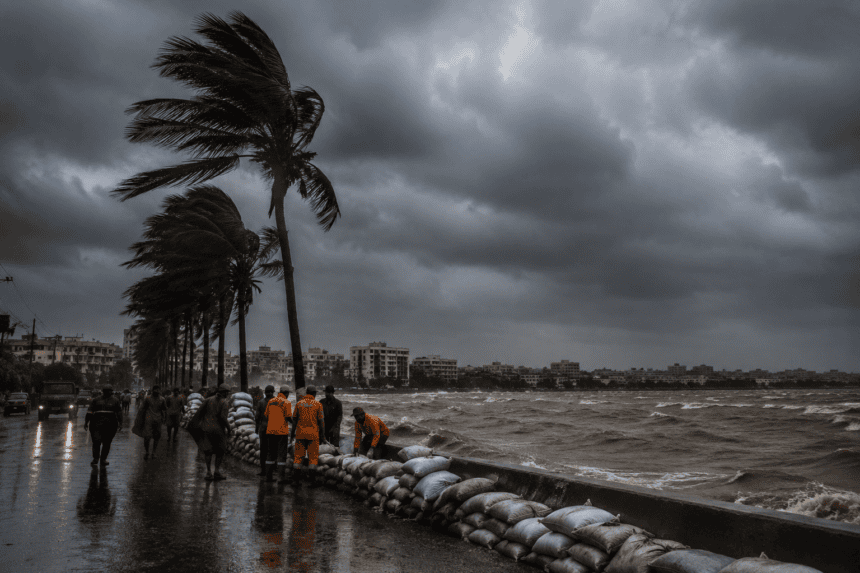
Sindh is bracing for another round of heavy rain starting July 31. The provincial government has declared a high alert across all districts, ordering local administrations to clear drainage systems and deploy rescue equipment to prevent a repeat of last year’s urban flooding.
The Pakistan Meteorological Department (PMD) expects the system to hit the coastal belt first. Karachi, Hyderabad, and Thatta face the highest risk of torrential downpours. Met officials warn that the intensity of this spell could trigger flash flooding in low-lying areas and overwhelm aging sewage infrastructure.
“We aren’t taking any chances,” said a senior official in the Sindh Provincial Disaster Management Authority (PDMA). “The focus is on pre-empting the damage. We have moved heavy machinery to critical points in Karachi and the interior districts to ensure that if a breach occurs, we can act within minutes, not hours.”
The provincial government has directed all municipal commissioners to cancel staff leaves effective immediately. In Karachi, the focus remains on the Korangi Causeway and the major nullahs that have historically choked during heavy monsoon bursts. Past experience shows that even moderate rain can bring the city to a standstill due to clogged drains and poor waste management.
Agricultural experts are also watching the situation closely. While the rains are essential for the Kharif crop, excessive water in the cotton-growing regions of upper Sindh could damage standing yields. Farmers have been advised to take necessary precautions to protect their crops from waterlogging.
Despite the warnings, skepticism remains among residents. Many point to the lack of visible progress in repairing the city’s drainage network since the last deluge. For now, the administration is betting that early mobilization and high-alert status will mitigate the fallout of the coming days.
The system is expected to persist through August 3, with the peak intensity forecast for Thursday and Friday. Officials urge citizens to avoid unnecessary travel during the height of the storm and to keep emergency kits ready.