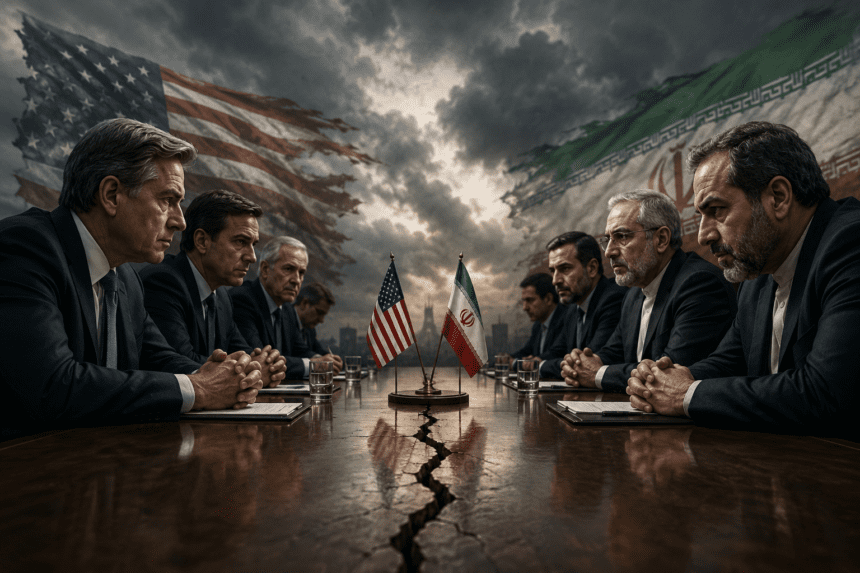
The latest attempt to bridge the divide between Washington and Tehran hit a wall on its opening day. Diplomats meeting in Geneva expected friction, but the immediate public sparring suggests the path toward any substantive agreement remains obstructed by entrenched mutual distrust.
State Department officials arrived with a narrow agenda focused on regional de-escalation, yet Iranian counterparts immediately pivoted to the lifting of existing sanctions. The disconnect was visible before the first session even concluded.
“We aren’t here to rehash grievances from the last decade,” a senior U.S. official told reporters, speaking on condition of anonymity. “We’re here to stop the current escalation.”
The Iranian delegation countered within minutes. Their lead envoy described the U.S. proposal as a “tactical maneuver” rather than a genuine offer to normalize economic ties. The rhetoric signaled that both sides are prioritizing domestic optics over diplomatic flexibility.
The core of the tension lies in the sequencing of concessions. Tehran demands immediate sanctions relief as a prerequisite for any discussion on its nuclear enrichment levels. Washington maintains that any financial easing must follow verifiable, long-term technical constraints.
This stalemate isn’t new, but the current geopolitical climate makes the lack of progress particularly volatile. Since the latest regional flare-ups, both capitals are under intense pressure to show their public that they aren’t yielding to the other.
Analysts watching the talks note that the brevity of the first day’s joint session—which lasted less than two hours—is a telling indicator. When negotiators cut meetings short, it’s rarely because they’ve run out of things to say. It’s because they’ve run out of room to maneuver.
The delegations are scheduled to reconvene tomorrow morning. Whether they can move past the opening-day posturing to address the technical realities of their standoff remains to be seen—but the initial signals suggest the gap is widening rather than closing.