A new study conducted in the United States has revealed that “forever chemicals” were found in nearly 98.8 percent of blood samples.
The new research conducted in the United States has highlighted an alarming situation regarding human health, showing the widespread presence of “forever chemicals” (PFAS) in human blood.
Scientifically known as Perfluoroalkyl and Polyfluoroalkyl Substances, these chemicals are resistant to water, oil, and heat due to their unique properties.
For this reason, they are commonly referred to as “forever chemicals” because they remain in the environment for long periods and do not easily break down.
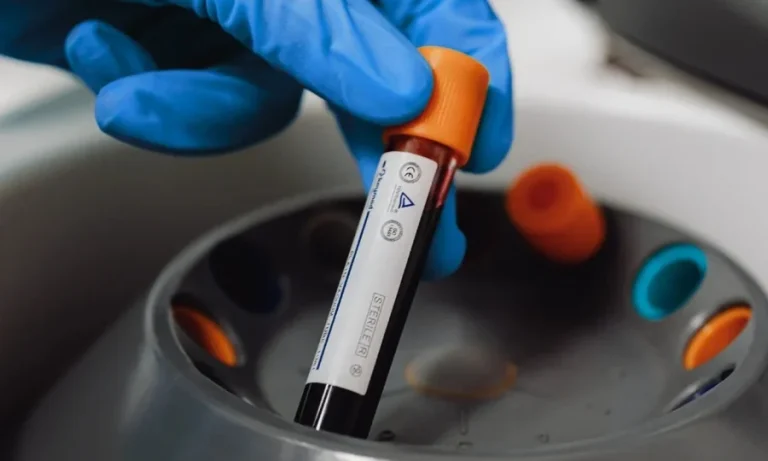
Researchers at NMS Labs in the state of Pennsylvania analyzed 10,566 blood and plasma samples. According to the findings, at least one PFAS chemical was present in 98.8 percent of the samples, while only 0.18 percent contained just one chemical.
The study also found that most individuals had a mixture of multiple PFAS chemicals in their blood, entering the human body through various sources.
According to experts, these chemicals are widely used in industrial products such as clothing, furniture, adhesives, and food packaging, which allows them to enter the human body through water, food, and the environment.
The most commonly detected chemical was PFHxS, which was found in 97.9 percent of the samples. This chemical is believed to be linked to harmful effects on the liver and immune system, and several countries have already imposed restrictions on it.
According to the study, the real concern arises when different PFAS chemicals are present together in the human body, as their combined effects could be more dangerous.
The report clarified that the study only shows the presence of these chemicals, not their quantity or the direct severity of harm. However, previous studies have linked these chemicals to various health problems, including cancer, neurological changes, and weakened immunity.
Experts say the biggest issue with PFAS chemicals is their long term persistence in the environment, which causes them to continuously accumulate in the human body.
The study also noted that more than 70 different chemical combinations have so far been found in human blood, further highlighting the seriousness of the issue.